Money
Logan Paul and KSI’s Prime Hydration: The Creator Beverage Blueprint

When Logan Paul and KSI launched Prime Hydration, the product quickly became one of the most discussed creator-led consumer brands. The drink’s trajectory from an internet sensation to a major beverage competitor reveals a blueprint for how digital influence can be converted into real-world sales. It also highlights the challenges inherent in sustaining that success once the initial hype fades.

Prime Hydration was introduced in 2022 by Paul, the American YouTube personality-turned-boxer, and KSI, a British YouTuber and a part of social media collective Sidemen. Both had achieved international fame at relatively the same time and both marketed the beverage through their own channels and social platforms rather than relying on traditional launch tactics. The brand positioned itself as a hydration product that offered a healthier alternative to sugary sports drinks. Bottles featured ingredients like electrolytes, B vitamins, branched-chain amino acids, and about ten percent coconut water. Zero sugar and bold, bright packaging helped the product appeal to a younger audience already attuned to social media trends
Explosive Growth
In its first year on the market, Prime’s growth was explosive. By the year 2023, the brand had generated roughly $1.2 billion in revenue, a milestone that Logan Paul reportedly described as “insane” given that it was achieved by two YouTubers entering a highly competitive industry. Paul claimed that Prime was “the fastest growing hydration beverage in history.” Unfortunately, demand outpaced supply early on. Retailers like Walmart and Target struggled to keep stock on shelves, while social media feeds filled with videos of fans searching for bottles and posting reactions to the product’s colorful flavors. This kind of user-generated content served as free advertising and expanded the brand’s reach far beyond the founders’ own audiences.

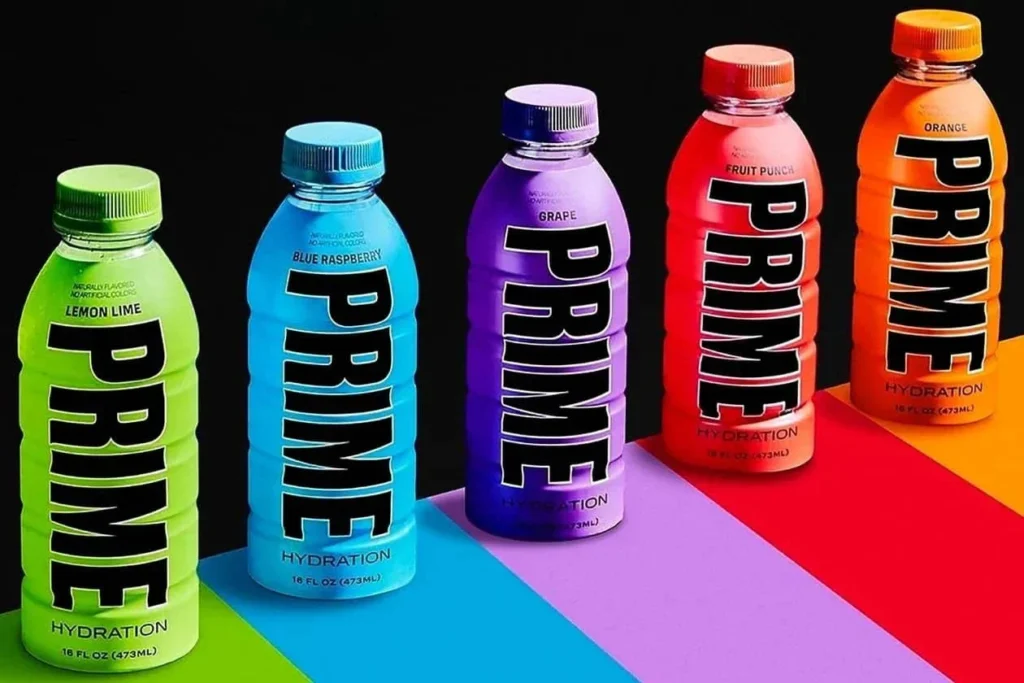
Prime’s initial success also generated unusual secondary market behavior. Limited availability led to reselling, with some buyers offering bottles at high prices online and in informal markets. This scarcity strategy amplified the buzz around the drink, making its acquisition feel like an achievement rather than a purchase. Paul and KSI used their social platforms to announce and promote launches directly to millions of followers, bypassing traditional advertising channels. Their personal involvement in showcasing the product made Prime appear as something they had created, not just endorsed.
New flavors from Prime were marketed as limited edition drinks, often selling out quickly and encouraging consumers to talk about their acquisitions online. This tactic helped maintain high visibility and repeated social media impressions without a massive ad budget. Partnerships with established sports organizations added credibility beyond internet buzz. Prime secured deals with top-tier sports teams and leagues, such as becoming the hydration partner for major organizations and being featured in global events. These collaborations placed the product in front of audiences that might not follow either Paul or KSI directly.
By late 2023, Prime had reportedly sold over a billion bottles worldwide and challenged established players in key markets. At Walmart it even surpassed Gatorade as the top-selling hydration beverage according to some reports. This rapid expansion demonstrated the potential power of influencer-led products when paired with strategic distribution and partnership deals. The brand’s reach extended internationally, with distribution in the United States, the United Kingdom, Australia, and beyond. Its rapid adoption made it one of the fastest growing brands in beverage history, a fact Paul highlighted in interviews discussing the early sales figures.
Decline and Rebranding
After the initial burst of growth, Prime faced challenges sustaining momentum. In the U.K., revenues dropped sharply by 70 percent between 2023 and 2024, a signal that the intense early demand was hard to maintain without continuous novelty. Similar declines were seen in the U.S. market, where sales softened as social media buzz faded and consumer habits shifted. As Prime moved from the launch phase into standard commercial competition, it faced rising competition from legacy brands and growing consumer expectations around product performance and variety. The company has tried to recapture market share by releasing new items like protein shakes, which they released in 2026.
Paul and KSI’s blueprint showcased how social influence and community engagement can be harnessed to drive product adoption. They demonstrated that direct marketing to millions who already trust and follow the founders is a powerful tool. But the challenges Prime now faces remind future creator-entrepreneurs that long-term business success is not guaranteed by digital popularity alone.

