Sports
Influencers And The Winter Olympics

As an addendum to my recent articles about the rise of athlete influencers and coverage of the Super Bowl and upcoming FIFA World Cup by content creators, I thought I would talk about how streamers, content creators and influencer Olympians are changing the coverage of the 2026 Milan Cortina Winter Olympics in northern Italy. In a Winter Olympics that has had no shortage of viral moments, many content creators have flocked to the event for coverage and commentary, and athletes themselves have begun to pivot to content, offering a unique view of sporting events from the inside.

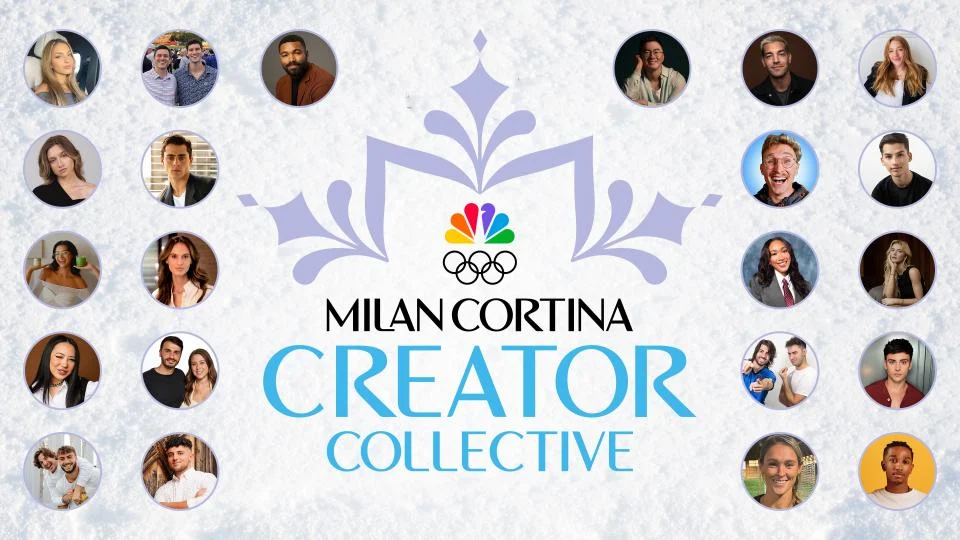
NBCUniversal has taken what used to be an informal swarm and given it a badge and a schedule. In announcing its Milan Cortina Creator Collective, NBCUniversal’s program with YouTube, Meta, and TikTok that would “empower over 25 creators” with on-the-ground access in Milan and Cortina, and it positioned the effort as a sequel to its Paris Creator Collective, which it says amassed nearly 300 million views. The Collective functions as a kind of auxiliary newsroom, except influencers are covering events, not reporters.

The athletes, meanwhile, are posting too, carrying a personal archive that extends past this Olympic season. Norway’s Johannes Høsflot Klæbo, who recently grabbed a gold medal in cross country skiing, is someone who has been chronicling life as an elite cross-country skier on social media since 2017. His YouTube channel blends lifestyle, training techniques, travel experiences, and partnerships, which places cross-country skiing inside a broader self-portrait instead of a results-only narrative. If you are used to Olympic coverage that treats athletes as intermittent guests in someone else’s programming, Klæbo’s long-running channel suggests a different hierarchy, where the athlete’s season is the main text and the broadcast is a powerful annotation.
Speed skating supplies a sharper, brighter version of the same phenomenon. Dutch speed skater Jutta Leerdam, called a “social media queen” by Reuters, reports she has over six million followers on Instagram, and quotes her describing social media as a tool to motivate young girls to take up speed skating. Outlets were criticized when articles about Leerdam’s gold medal had headlines that focused more on her relationship with her boyfriend, boxer and influencer Jake Paul, than her own athletic achievements. Leerdam won the women’s 1,000 meters in Olympic record time of 1:12.31 and added a silver medal in the 500 meters.
Eileen Gu remains the cleanest financial diagram for why athletes behave this way, even when the content itself looks casual. According to Forbes, Gu earned $100,000 from her sport last year while making $23 million through endorsements and social media influencer work. When talking to Northeastern Global News, marketing professor Amy Pei described the phenomenon; “Social media shifts athlete marketing from rare, brand-controlled visibility to continuous, athlete-controlled storytelling. In the past, brands decided who was visible by hiring them as endorsers. Now, athletes can build audiences first and attract partnership deals later.”

Not all creators at the Winter Olympics have press passes. The travel creator The Traveling ZAM posted a video from Cortina that is explicitly structured around moving through the Olympic setting, describing attendance at curling and luge events, time spent exploring venues, and the atmosphere of the alpine host town during the Games. The details in the video description are ordinary by design, and that ordinariness is the point: it is coverage built from transit, signage, queues, and the feeling of entering an arena rather than the moment of winning it. On TikTok, creator Desi Johnson posted a video titled “Discover the Olympic Village for Milan-Cortina 2026,” allowing viewers to explore the Village virtually for themselves.
For streaming, Samsung’s Galaxy S25 Ultra devices, supported by OBS, were embedded within the Opening Ceremony to capture “dynamic perspectives” alongside traditional broadcast cameras. Milano Cortina is hosting multiple authors at once, each with a different contract with the audience. NBC formalizes a creator lane, athletes like Klæbo arrive with years of self-documentation. When the Winter Games are experienced through these parallel feeds, the public record becomes less singular, more like a stack of drafts, and the draft that circulates farthest is usually the one that already fits the viewer’s habits.

