Travel
The Rise of “Destination Content”: Why Creators Are Leaving Studios Behind


In May 2024, YouTube superstar MrBeast (born Jimmy Donaldson) walked away from Night Media, the talent management company that helped scale his business to an annual revenue of $600 million to $700 million and attracted additional high-profile creators such as Kai Cenat and Hasan Piker. The departure was amicable. Night Media CEO Reed Duchscher continued working with Donaldson on the snack brand Feastables, but Donaldson no longer relied on external firms to manage production or growth. Beast Studios had already evolved into a self-contained operation capable of producing content at scale without being tied to a single studio, office, or centralized hub. As the streaming industry standardized around creator collectives and shared infrastructure, Donaldson moved in the opposite direction, consolidating control while expanding where and how his content could be produced. The pattern is unmistakable across the creator economy. Increasingly, talent built on YouTube, social media and streaming platforms no longer need to outsource work to management companies, creator hubs, or fixed studios. As IRL streaming and travel-based formats gain traction, centralized locations have become less essential to growth and, in some cases, a constraint on scale.

The story of the modern social media influencer began on Vine, the short-lived and influential six-second video platform. Before being discontinued in 2016, this precursor to TikTok peaked at over 200 million users. In 2015, Vine stars rented and worked out of an apartment complex in Los Angeles, and YouTubers like the Paul brothers followed, renting out mansions and collaborating on content. With the rising popularity of TikTok from 2018 onward, famous users of the app followed suit. Hype House, the most notable TikTok house, hosted the D’Amelio sisters and Addison Rae at its peak, but many left in 2020 to pursue their own independent business ventures. Similar patterns played out with Team 10, the influencer group founded by Jake Paul that fractured amid lawsuits and departure announcements throughout 2019 and 2020. In December, members of popular influencer group FaZe Clan left the organization and its L.A. mansion because of contractual disputes. These collectives proved the value of shared resources, but they also exposed the limits of fixed locations. Creators increasingly developed audiences that were tied to individual brands rather than shared spaces, weakening the role of studios and creator houses. As leading influencers began to attract attention comparable to traditional media companies, they partnered with larger Hollywood studios and streaming platforms, instead of working underneath them.
These collapses foreshadowed today’s exodus: once creators build sufficient audience and brand equity, sharing infrastructure becomes a liability rather than an asset. Valkyrae’s 2024 launch of Hihi Studios, a creator-owned production company she co-founded with other gaming personalities, reflected this lesson learned. Rather than joining an existing multi-creator management firm, she built her own from the start, maintaining independence while building a brand strong enough to support production across locations.

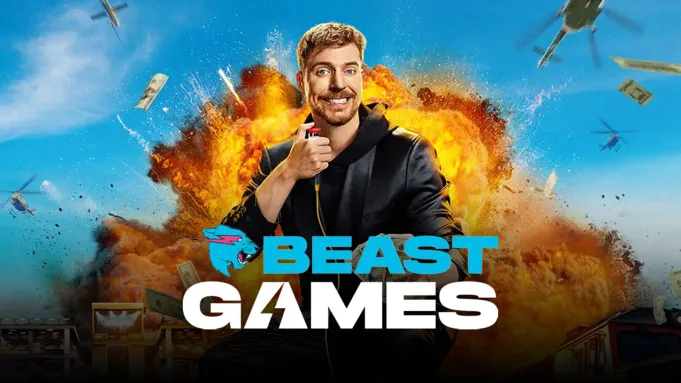
Months after ending his management deal with Night Media, Jimmy Donaldson announced a reported 100 million dollar deal with Amazon MGM Studios to produce Beast Games for Prime Video. The show became Amazon’s most-watched unscripted show, drawing over 50 million viewers in its first month, prompting the platform to renew it for two additional seasons. Beast Industry Studios later hired former NBCUniversal unscripted head Corie Henson as president of the studio division in September 2025. As creators scale, many are moving away from fixed production environments toward destination content, where the physical location is central to the production itself. As platforms reward watch time and live engagement, creators are finding that scale increasingly comes from movement rather than consolidation. MrBeast’s move away from an exclusive relationship with Night Media and his company’s hiring of a former NBC executive, illustrates how large creators are redefining studios themselves. Rather than serving as a single production location, Beast Studios functions as an operational backbone that supports content produced across locations and formats, valuing efficiency location.
The creator economy’s trajectory is now split. Emerging talent still relies on agencies and networks for growth and opportunities. But the endpoint for many successful creators is now independence instead of signing with an agency, especially as social media stars develop their own brands, work with streaming platforms and have the ability to operate anywhere. Whether this model proves sustainable remains to be seen, but it is already reshaping how digital content is produced, distributed, and experienced.

