Money
Inside Jake Paul’s Reported $92M Pay Day

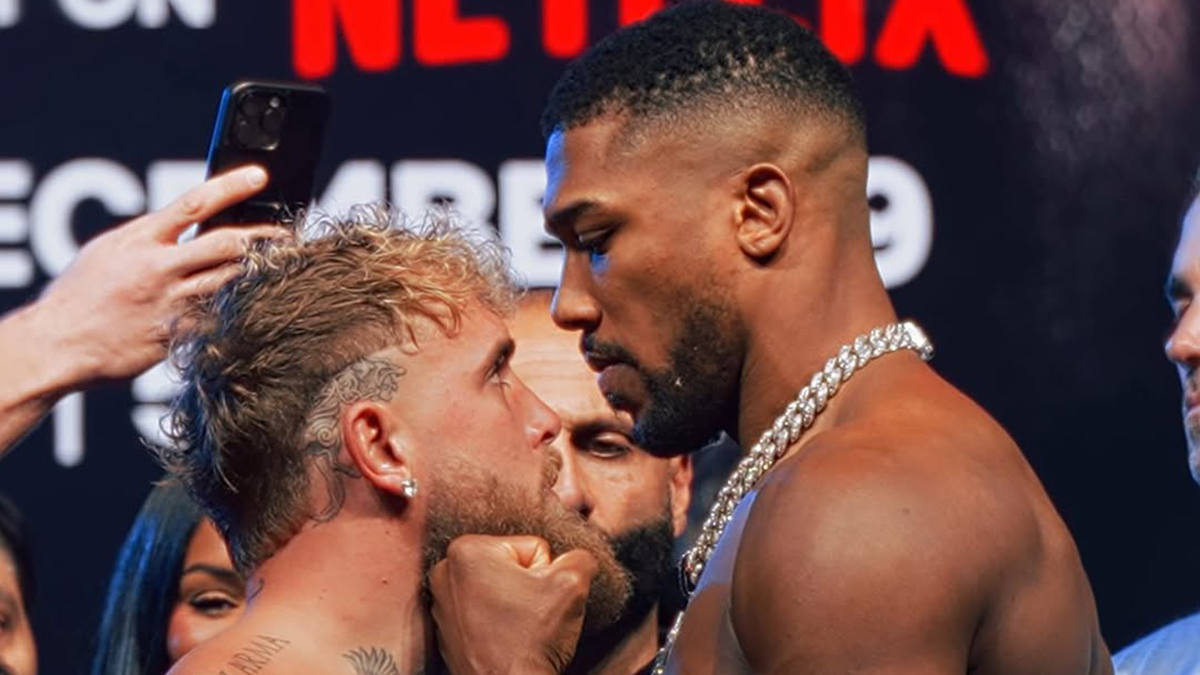
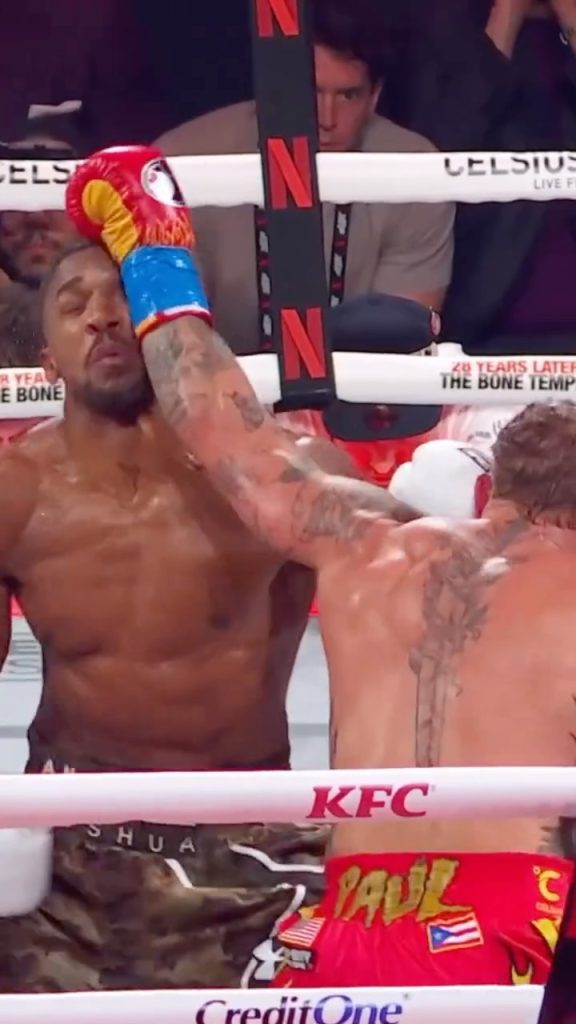
Jake Paul lost the fight, but financially, the Paul vs. Anthony Joshua Netflix event may have been one of the biggest paydays in modern boxing.
Multiple reports ahead of and after the bout pegged the total fight package around $184 million, with roughly $92 million per fighter if split evenly — though neither side has publicly confirmed an official final number.
Paul himself added fuel to the chatter with a post claiming “$267 million,” a figure that would imply a much larger overall pool — but again, there’s no public confirmation of that number as an official payout.
Why the number is hard to pin down
Unlike traditional pay-per-view events where revenue flows through a visible PPV model, this fight was distributed on Netflix — where the business goal is typically subscriber acquisition and retention, not PPV buys. That makes the economics more opaque. As one breakdown noted, even credible reports vary, and combat media figures suggested the historic figures being thrown around may still be lower than the hype.
What likely made up the money stack
While exact terms aren’t public, the reported “total purse” chatter typically bundles multiple components:
- Guaranteed purses (base pay)
The simplest: each fighter receives a contracted guarantee. - Netflix rights/licensing fee
Instead of PPV, the event’s main distribution value is the global streaming rights package. - Sponsorship + brand integrations
This includes anything from ring canvas / corner branding to broadcast segments and promotional tie-ins. - Live gate + event revenue
The fight took place at Miami’s Kaseya Center in front of a capacity crowd (reported at 19,600). Live ticket revenue can be meaningful even in a streaming era.
Jake Paul’s extra leverage: promotion upside
Paul isn’t just a fighter — he’s also a promoter/operator in this lane. Depending on how the event was structured, he could benefit from the upside of promotion, branding, and distribution beyond a flat purse (even if the exact split isn’t public).
The real takeaway
Whether the final number is closer to the widely reported $184 million or something else, the important signal is this: creator-driven boxing is now a mainstream entertainment product — and streaming platforms are willing to pay for spectacle if it moves culture.
Parasocial will update this story if official payout documentation or contractual reporting becomes public.





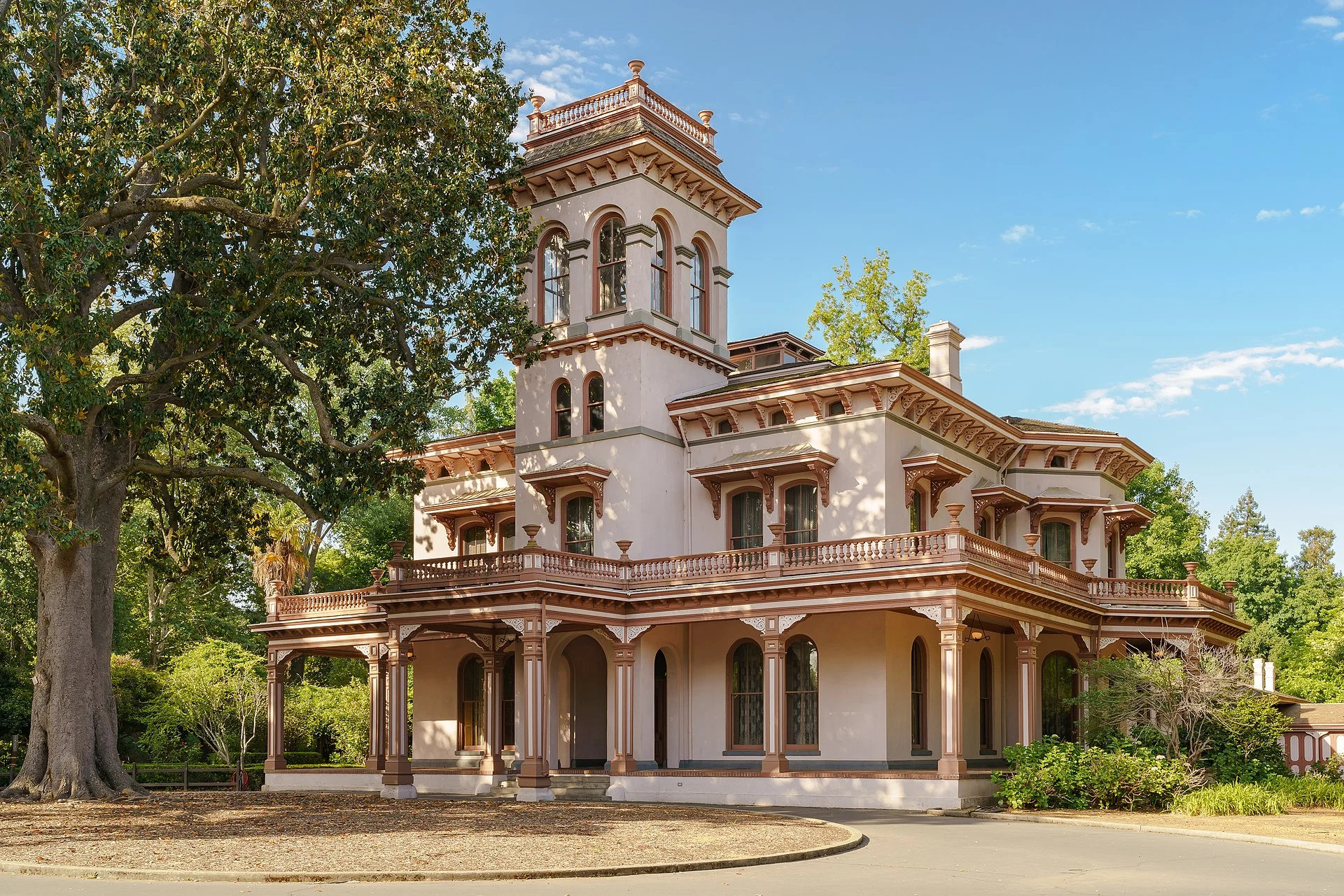
The housing decisions of leading online creators reflect personal preference and the practical demands of producing content at scale. While some influencers choose to buy expansive mansions that can double as filming locations, others (like MrBeast) prefer more modest residences and allocate resources to production studios or investment properties. These patterns reveal how digital income is being converted into tangible assets, shaping not only lifestyles but also the physical spaces where much of today’s entertainment is being made. Here is a deep dive into the homes and properties of IShowSpeed, MrBeast, Charli D’Amelio, David Dobrik, Kai Cenat and Bella Poarch.
IShowSpeed
IShowSpeed owns at least two properties valued in the seven‑figure range. In 2024 he purchased a home in Broward County, Florida that sits on over one acre of land and features four bedrooms and four baths. Separately, a 2025 tour shows a newly acquired mansion in his hometown of Cincinnati, Ohio priced at around ten million dollars. Both homes provide space for his gaming setup and occasional soccer‑themed projects, though the creator has not indicated which residence serves as his main base.
MrBeast
Sticking to his roots, MrBeast’s main residence is in his hometown of Greenville, North Carolina. The home is a relatively modest two‑story house, 4-bed, 4-bath house in Greenville, that was purchased for about $328,000. Beyond his personal residence, MrBeast (born Jimmy Donaldson) has invested $14 million in a studio complex in the same area, which contains a 50,000 square‑foot warehouse, soundproof ceilings and a control room with hidden cameras. Supposedly, Donaldson owns five properties in the Greenville suburb, valued between $200,000 and $500,000 each, that house members of his production team.
Charli D’Amelio
TikTok-famous Charli D’Amelio’s primary home is located in the Hollywood Hills of Los Angeles. The house, built in 2019, offers six bedrooms, five bathrooms and approximately 9,467 square feet of livable space .With an estimated value around 9-10 million dollars, the interior features an open‑plan kitchen, a home theater, a bar, an elevator and extensive outdoor areas that include a pool and multiple terraces. D’Amelio and her family previously lived in a small, suburban house in Connecticut.
David Dobrik
David Dobrik’s current house is in Sherman Oaks, California. The two‑story estate spans 7,800 square feet and includes six bedrooms and seven bathrooms . Purchased in 2022, the property is valued at approximately 9.5 million dollars. Earlier in his career Dobrik owned a more modest Los Angeles home of 2,887 square feet with four bedrooms and three and a half baths, bought for about 2.5 million dollars . The Sherman Oaks residence provides space for both personal living and occasional filming, though he has also used rented locations for specific vlogs.
Kai Cenat
Kai Cenat’s primary residence appears to be a property in Georgia. Acquired in 2022, the estate covers roughly 8,000 square feet on four acres of land and was purchased for about 2.7 million dollars. The home includes multiple bedrooms, a gourmet kitchen and outdoor space suitable for building private studios that do not disturb neighbors. While Kai has toured and rented far more extravagant mansions for special streams, those appear to be temporary arrangements rather than permanent ownership.
Bella Poarch
Bella Poarch previously owned a home in the Pacific Palisades area of Los Angeles. She listed the property for sale in September 2024 with an asking price of $4.75 million and completed the sale later that year . Shortly after, she acquired a mid‑century modern home in Los Angeles for approximately $4.3 million. The newer residence is noted for its unique architectural details and relatively modest size compared to many celebrity estates, reflecting a preference for distinctive design over sheer square footage.
Overall, the housing portfolios of these six creators illustrate a range of approaches. Some, like MrBeast and Kai Cenat, maintain comparatively modest personal homes while directing significant funds toward production facilities or investment properties. Others, such as Charli D’Amelio and David Dobrik, have invested in large, amenity‑rich mansions that serve both as private retreats and occasional backdrops for online content. IShowSpeed and Bella Poarch show patterns of buying and selling high‑value homes, possibly reflecting shifting priorities or market opportunities. These choices highlight how digital fame translates into real‑estate decisions that balance lifestyle, work requirements and long‑term financial planning.
.

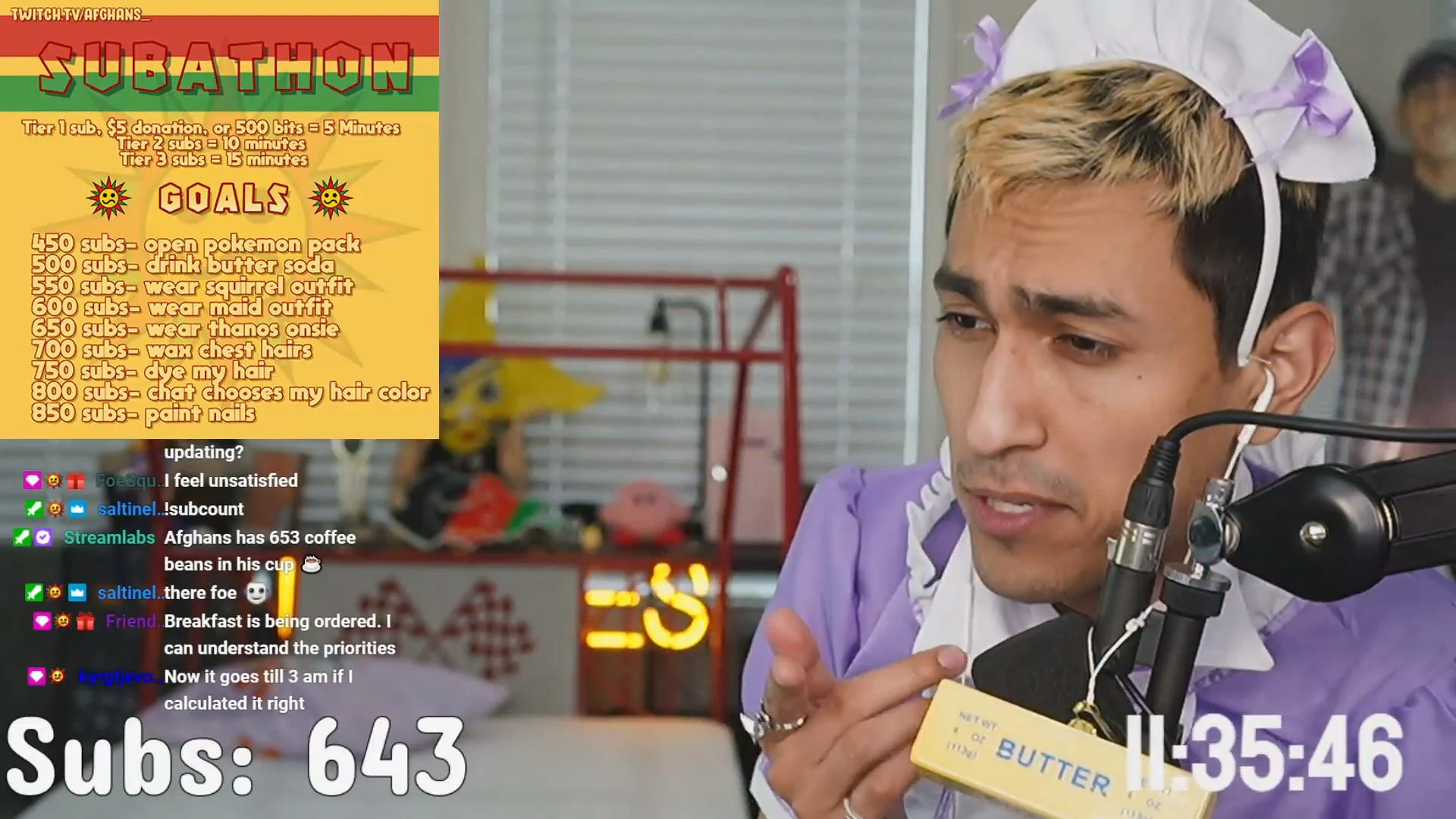
Maybe you’ve seen your favorite streamer shout out their sponsor live. Perhaps you’ve witnessed a whole event on Twitch, or an entire set for a podcast, bought for and branded by a sponsor. Brands are paying streamers millions for single sponsored streams because a handful of live creators now function like prime‑time TV events, offering guaranteed reach and measurable performance in a media landscape where everything else is fragmented and skippable.
Live-streaming is now a pillar of the creator economy, which itself is reportedly valued in the hundreds of billions of dollars, with spending on advertisements doubling in 2025. Goldman Sachs estimates that that valuation could reach $500 billion by 2027. Platforms like Twitch, YouTube Live, Instagram Live and Kick turned individual channels into always‑on shows with loyal, repeat audiences who treat streams more like an active watching experience. In that environment, a sponsored stream stops being “an ad” and starts functioning as a co‑produced live special where the brand is written directly into the script. Whether it’s fashion brands running TikTok Shop events, beauty labels hosting Instagram Lives, or podcasters doing sponsored streaming, brands are spending big on sponsored content.
The Mathematics Behind Sponsorships
A common rule of thumb is to price a sponsored stream by taking the average number of live viewers and charging around 1 dollar per viewer per hour. So if a streamer averages about 1,000 viewers, they might make a few thousand dollars for a typical session, while a creator with tens or hundreds of thousands of live viewers could command into six‑figure range for a single multi‑hour stream. There are only a handful of streamers who can reliably pull stadium‑sized audiences and move culture in real time, which creates scarcity and bidding wars. That pressure, stacked on top of performance expectations, is how you get to headlines about brands spending millions for a single day of airtime.
The paradox of the sponsored stream economy is that rigorous measurement often makes these deals look terrible on a spreadsheet. A recent study by professors Ilya Morozov, at the Kellogg School at Northwestern University and Yufeng Huang of the University of Rochester of tens of thousands of Twitch channels between 2021 and 2021 found that sponsored game streams produced a median return on investment around minus ninety‑five percent for publishers. Organic streams of games actually did more to increase active players on platforms like Steam than paid placements did, especially for big, already‑known titles.
Yet spend keeps flowing in, because the value brands chase isn’t only direct sales during or after the broadcast. Live commerce adds yet another layer: brands often pay a hosting fee plus performance bonuses tied to gross merchandise value, conversion rate, or units sold during the session. Additionally, for indie games and smaller studios, sponsored streams do sometimes generate positive, large returns by making otherwise invisible titles discoverable. And for bigger brands, a splashy activation is often justified as a brand‑marketing expense.
Campaigns vs. Sponsorships
There are two different distinct types of “sponsored streams”. Awareness campaigns usually involve bigger budgets, where a brands pays a large creator primarily for exposure These deals skew toward large, established channels. Performance‑based sponsorships on the other hand, are often using cost‑per‑acquisition or revenue‑share models to reward creators for sign‑ups, downloads, or purchases driven during the stream. Those performance deals create a floor of sustainable income across the long tail, while the awareness deals create the eye‑watering seven‑figure outliers at the top.
What makes livestreaming sponsorships uniquely potent is the relationship between streamer and audience. In a paper about streaming and monetization published in Social Media + Society, authors Mark R. Johnson and Jamie Woodcock conclude that streamers actively gamify monetization, building rituals around donations, subs, and on‑stream milestones that invite fans into the business side of the channel. Over time, viewers don’t just watch; they feel like stakeholders whose emotional investment is tied to the creator’s success, and who are accustomed to money changing hands in public. As mentioned in a 2024 article by Ben Green, when a creator like DrLupo raises millions for charity in a single event, or partners with a brand like Logitech, viewers are proud to participate. Brands are trusting that a streamer’s endorsement will feel less like an interruption and more like a recommendation from a friend the audience has watched for thousands of hours.
That same dynamic shows up in podcast communities, wellness Q&A streams, and live shopping shows where hosts interact by name with repeat buyers. When a creator raises millions for charity in a single event or collaborates deeply with a sponsor, viewers are often proud to participate. Brands are betting that a streamer’s endorsement will feel less like an interruption and more like a recommendation from a friend the audience has spent hundreds of hours with.
The Next Phase
As more money floods in, the sponsored stream economy is colliding with questions of disclosure, regulation, and sustainability. Large‑scale analyses of Twitch data show that over two‑thirds of prominent streamers have done at least one developer‑sponsored stream, underscoring how normalized paid promotion has become. Regulators are tightening disclosure rules, and more media‑savvy audiences are making hidden ads harder to get away with, pushing brands toward more transparent, co‑created campaigns that can withstand scrutiny.
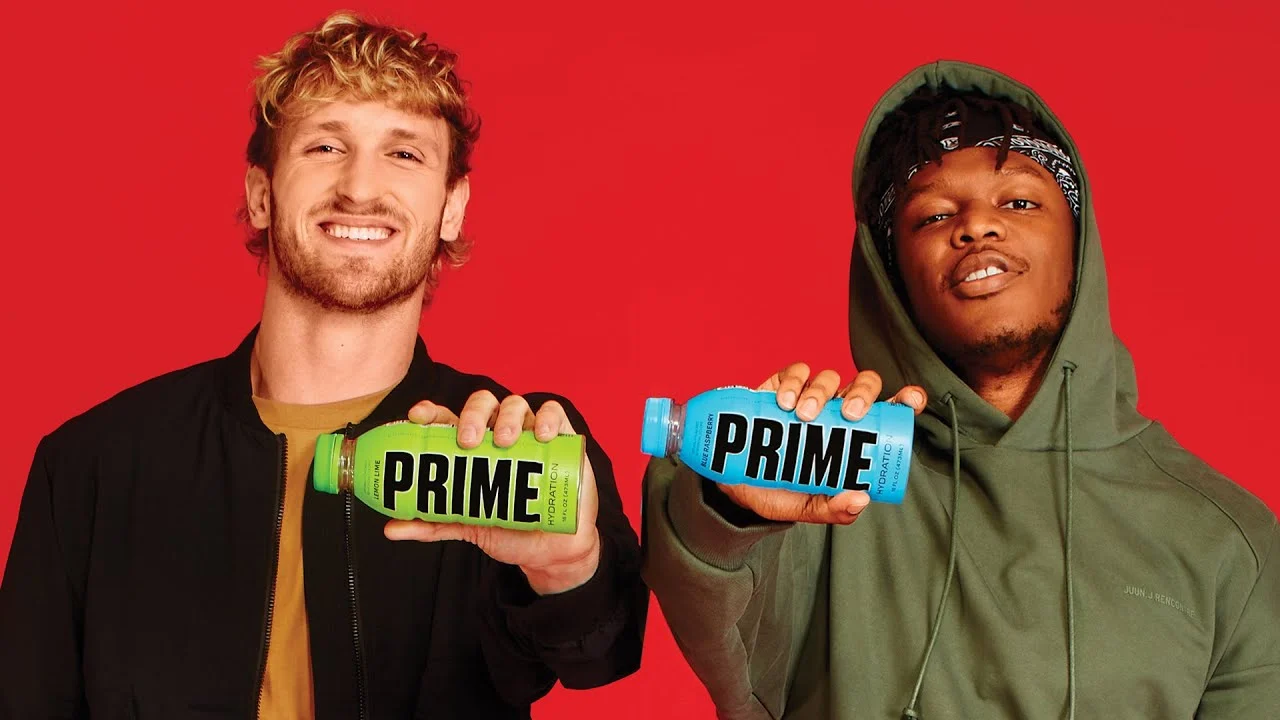
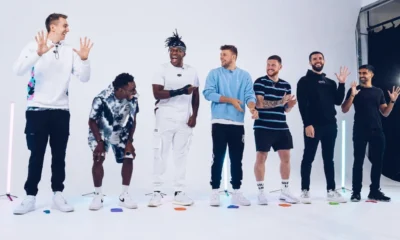
When Logan Paul and KSI launched Prime Hydration, the product quickly became one of the most discussed creator-led consumer brands. The drink’s trajectory from an internet sensation to a major beverage competitor reveals a blueprint for how digital influence can be converted into real-world sales. It also highlights the challenges inherent in sustaining that success once the initial hype fades.
Prime Hydration was introduced in 2022 by Paul, the American YouTube personality-turned-boxer, and KSI, a British YouTuber and a part of social media collective Sidemen. Both had achieved international fame at relatively the same time and both marketed the beverage through their own channels and social platforms rather than relying on traditional launch tactics. The brand positioned itself as a hydration product that offered a healthier alternative to sugary sports drinks. Bottles featured ingredients like electrolytes, B vitamins, branched-chain amino acids, and about ten percent coconut water. Zero sugar and bold, bright packaging helped the product appeal to a younger audience already attuned to social media trends
Explosive Growth
In its first year on the market, Prime’s growth was explosive. By the year 2023, the brand had generated roughly $1.2 billion in revenue, a milestone that Logan Paul reportedly described as “insane” given that it was achieved by two YouTubers entering a highly competitive industry. Paul claimed that Prime was “the fastest growing hydration beverage in history.” Unfortunately, demand outpaced supply early on. Retailers like Walmart and Target struggled to keep stock on shelves, while social media feeds filled with videos of fans searching for bottles and posting reactions to the product’s colorful flavors. This kind of user-generated content served as free advertising and expanded the brand’s reach far beyond the founders’ own audiences.
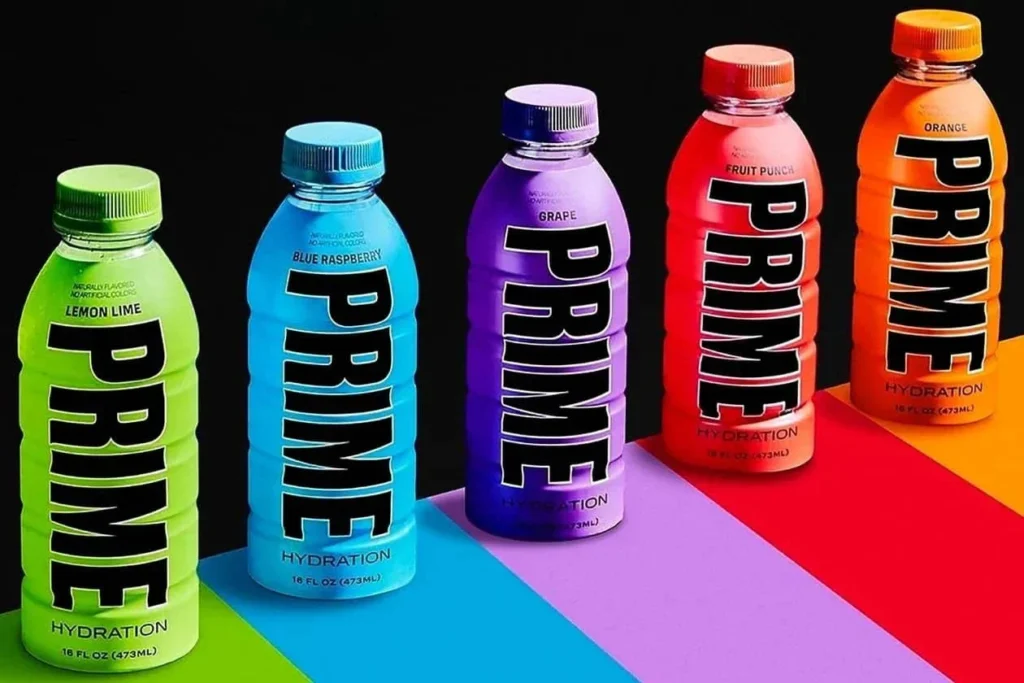
Prime’s initial success also generated unusual secondary market behavior. Limited availability led to reselling, with some buyers offering bottles at high prices online and in informal markets. This scarcity strategy amplified the buzz around the drink, making its acquisition feel like an achievement rather than a purchase. Paul and KSI used their social platforms to announce and promote launches directly to millions of followers, bypassing traditional advertising channels. Their personal involvement in showcasing the product made Prime appear as something they had created, not just endorsed.
New flavors from Prime were marketed as limited edition drinks, often selling out quickly and encouraging consumers to talk about their acquisitions online. This tactic helped maintain high visibility and repeated social media impressions without a massive ad budget. Partnerships with established sports organizations added credibility beyond internet buzz. Prime secured deals with top-tier sports teams and leagues, such as becoming the hydration partner for major organizations and being featured in global events. These collaborations placed the product in front of audiences that might not follow either Paul or KSI directly.
By late 2023, Prime had reportedly sold over a billion bottles worldwide and challenged established players in key markets. At Walmart it even surpassed Gatorade as the top-selling hydration beverage according to some reports. This rapid expansion demonstrated the potential power of influencer-led products when paired with strategic distribution and partnership deals. The brand’s reach extended internationally, with distribution in the United States, the United Kingdom, Australia, and beyond. Its rapid adoption made it one of the fastest growing brands in beverage history, a fact Paul highlighted in interviews discussing the early sales figures.
Decline and Rebranding
After the initial burst of growth, Prime faced challenges sustaining momentum. In the U.K., revenues dropped sharply by 70 percent between 2023 and 2024, a signal that the intense early demand was hard to maintain without continuous novelty. Similar declines were seen in the U.S. market, where sales softened as social media buzz faded and consumer habits shifted. As Prime moved from the launch phase into standard commercial competition, it faced rising competition from legacy brands and growing consumer expectations around product performance and variety. The company has tried to recapture market share by releasing new items like protein shakes, which they released in 2026.
Paul and KSI’s blueprint showcased how social influence and community engagement can be harnessed to drive product adoption. They demonstrated that direct marketing to millions who already trust and follow the founders is a powerful tool. But the challenges Prime now faces remind future creator-entrepreneurs that long-term business success is not guaranteed by digital popularity alone.