
Entertainment
How PlaqueBoyMax Made A Signature Setup

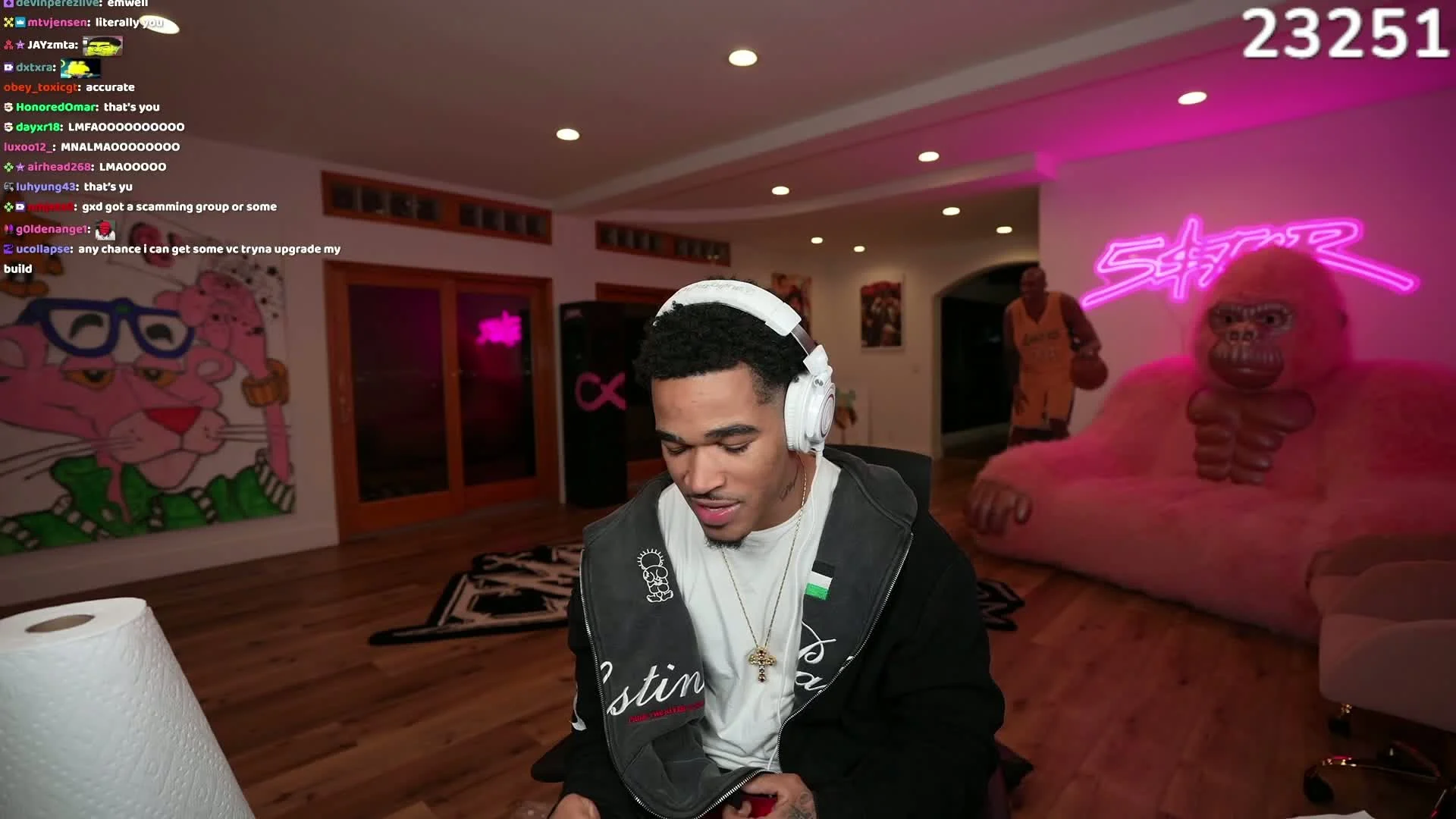
New Jersey native PlaqueBoyMax, born Maxwell Dent, has seen his meteoric rise to fame for streaming and music since 2022. Alongside this growing fame, Max has upgraded his recording setup from the most basic and budget of microphones and interfaces, to studio sessions in some of the most famous recording studios in the world, alongside producers like frequent collaborator Fred Again (often stylized Fred again..). Max’s setup is a case study in going from DIY bedroom workflow to a fully‑routed hybrid studio and streaming rig, without losing the speed that made his early clips feel so off‑the‑cuff. What makes his current setup interesting isn’t just the price tag, but how it’s designed so he can record vocals, talk to chat and cut songs live, all on the same grid.
In those earlier tutorials, Max is almost apologetic about how barebones his rig is: a Scarlett 2i2 on the desk, an SM58 or AT2020 on a stand, Audio‑Technica headphones into a cheap splitter so a friend can listen in, and everything running through FL Studio. The workflow is simple: drag a YouTube beat into FL, find the key and tempo with a site like Tunebat or similar analyzers, then build a vocal chain from the DAW’s built‑in EQ, delay, reverb and limiter. For pitch correction, he points viewers toward Antares Auto‑Tune and budget alternatives like Slate Digital’s Metatune, turning that basic chain into something closer to a modern rap preset. It is the definition of an accessible starter kit: one interface, one mic, one DAW, and a handful of plugins that come standard or are easy to pirate if you’re a teenager on a laptop.
The PlaqueBoyMAX vocal sound that people now try to reverse‑engineer is a more polished version of that chain, with third‑party plugins doing the heavy lifting. Community presets and breakdown videos point to him leaning on EQ stages like Waves VEQ3 or VEQ4 for tone‑shaping, plus an exciter or enhancer such as Waves Vitamin to pull his voice forward without just cranking the top end. From there it is the classic modern stack: Auto‑Tune for continuous pitch, compression to level out the performance, then short room reverb and slapback delays that keep things intimate even when the beat is wide. It is still built in FL Studio, but instead of only stock plugins, he layers color EQs and enhancers similar to the way his collaborator Fred again.. stacks analog‑style tools in Ableton and on outboard gear.
Hardware‑wise, the jump from the SM58 and AT2020 to a Neumann U87‑class mic instantly changes how that chain behaves. Condenser mics at that level pick up more top‑end detail and room tone, which means his EQ and de‑essing can be subtler while still landing that bright, hyper‑present vocal that cuts on TikTok and Twitch VODs. Max uses a dedicated USB mic like the Elgato Wave 3 for streaming, keeping his recording chain and his broadcast chain separate. The Wave series is designed for creators: plug‑and‑play on Mac or PC, built‑in clip protection and a software mixer that can route game audio, DAW output and mic to different virtual faders.
If you look at the streamed studio sessions with Fred again.., you can see how this philosophy scales up. Those sessions often run on a two‑computer workflow: one machine dedicated to the DAW and recording, the other capturing the screen, camera feeds and audio mix for Twitch, bridged by virtual channels and an interface capable of multiple cue mixes. A Stream Deck or similar controller sits on the desk to instantly mute talkback mics, switch scenes or drop markers, so a private conversation can happen while the beat still plays for viewers. Cameras range from a proper mirrorless body on an HDMI capture card in the control room to a simple webcam in the booth.
What ties all of this together is that Max’s setup is optimized for what his audience expects him to do on any given night: write hooks in real time, bounce between Discord, Twitch chat and FL Studio, and turn the best ideas into actual releases. The bedroom rig made that possible on a budget, but the current high-end configuration lets him keep the same spontaneous energy at a far higher technical ceiling. No matter what the setting, PlaqueBoyMax has excelled at giving people chances to watch the music being made as it happens.

Entertainment
Rabbit Hole Sends 36 Creators to Disney+ and Hulu
Pocket.watch’s Rabbit Hole puts 36 creators in one premium series, then parks 240 spinoff episodes behind it on Hulu. The structure, not the star count, is the story.

Thirty-six creators walk into one variety series, and behind them Hulu quietly stacks 240 more episodes so nobody who clicks in has a reason to click out. That is the shape of Rabbit Hole, the pocket.watch series that premiered July 13 on Disney+ and Hulu. Topper Guild, the YouTube prankster with the largest following in the cast, leads it.
The 10-episode, half-hour series debuted on Disney+ and Hulu in the US and on Disney+ in select international markets on July 13. Disney and pocket.watch call it the largest ensemble of digital stars ever assembled for a premium series. The cast reaches a combined 675 million followers, more than the roster carried at greenlight, when the same show counted 421.8 million.
That headline number is the easy part. The real story sits in the release strategy around it, and it says a great deal about where creator IP is heading.
Pocket.watch did not just book a marquee show. It built a supply chain. Eight cast members already have individual series streaming on Hulu, with more launching around the premiere, and the full universe spans 240 half-hour episodes. The tentpole draws the crowd. The back catalog keeps them there.
The Ensemble Is the Product
The follower total works because no single channel could stage the collisions the show is built on. A viewer who watches Topper Guild’s pranks has never seen him next to ZHC’s art challenges or Collins Key’s magic. The cast also includes Zhong, Jesser, Josh Peck, Sofie Dossi, Mackenzie Turner, Papa Jake, Matthew Beem, and ExtraEmily.
Individual reach anchors the pitch. Topper Guild brings 127.9 million followers, Zhong 100 million, and ZHC 76.1 million, figures pocket.watch listed creator by creator in its announcement. Those are the three largest in a lineup where most names would headline a show on their own.
Disney frames the deal as a milestone for its platforms, not a favor to the creators. Lauren Tempest, Head of Content Planning and Partnerships, DTC at The Walt Disney Company, said the series gives subscribers “access to 36 of the most followed creators for teens, all in one series.”
Why the Spinoffs Matter More Than the Premiere
The math on retention is the point. One premium series can win a launch weekend. A launch weekend does not hold a subscription.
That is the gap 240 episodes are built to close. Pocket.watch CEO Chris M. Williams described the model as a premium entry point that opens into hundreds of episodes of the same talent, connecting appointment viewing with ongoing discovery. It reads less like a show order and more like a studio franchise assembled from fanbases that already exist.
The comparison is traditional television, run backward. Legacy studios build a hit, then spin off characters audiences met on screen. Pocket.watch starts with creators who arrived with millions of fans, then routes that attention through Disney’s paywall and keeps it circulating across the spinoff slate.
The scale grew as the deal did. When pocket.watch first greenlit the show in October 2025, as Deadline reported, the cast commanded 421.8 million combined followers and Hulu was the sole US home. By launch the roster had expanded to 36 creators and 675 million followers, with Disney+ added for the US and international markets.
Rabbit Hole is the clearest test yet of whether free-platform audiences follow their favorites behind a subscription wall. All 10 episodes are streaming now. The 240 waiting on Hulu will decide whether they stay.


Entertainment
Dudamel Streams LA Phil Farewell on His Own YouTube
Gustavo Dudamel is ending 17 years at the LA Phil on his own YouTube channel, not a broadcast network, turning a farewell into a live Venezuela fundraiser and a bet on classical as prestige streaming.
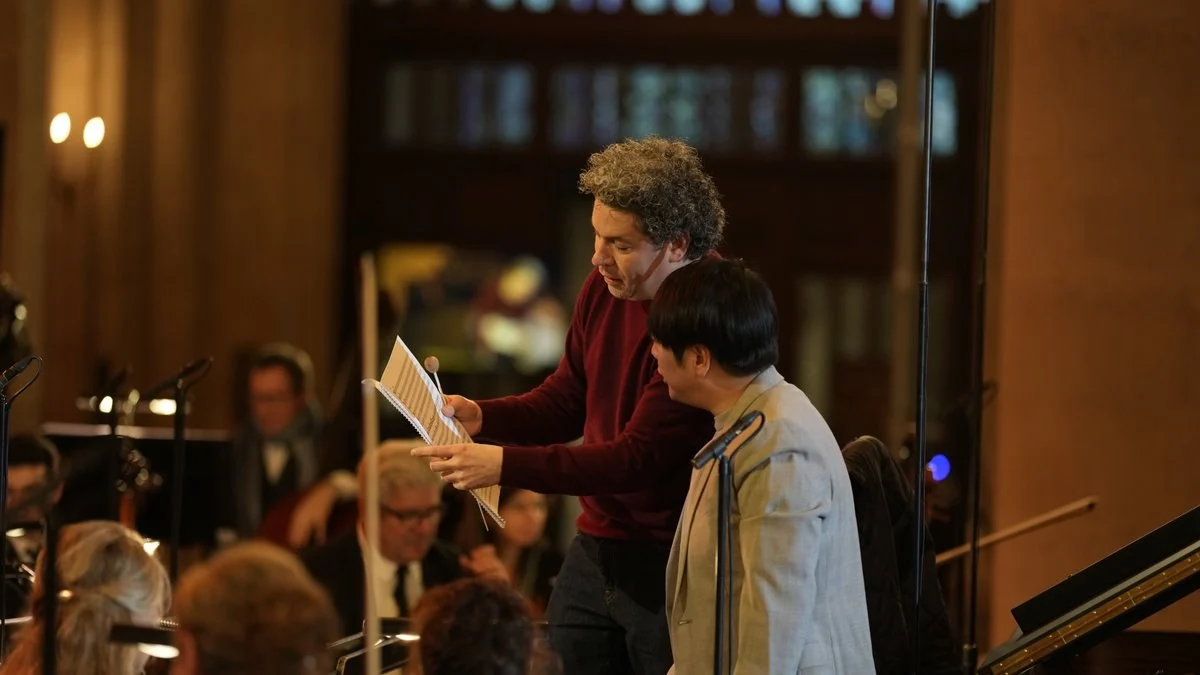
The maestro who turned a symphony orchestra into a stadium act is spending his last night as its leader routing the whole thing through a donate button. Gustavo Dudamel closes 17 years as Music and Artistic Director of the Los Angeles Philharmonic on Sunday, August 23, with a Hollywood Bowl concert streaming worldwide on his personal YouTube channel.
The show is called A Concert for Venezuela, and every dollar it raises goes toward earthquake relief. Donations split between the United Nations Development Programme relief fund and the El Sistema CAF Development Bank of Latin America and the Caribbean Fund, which supports El Sistema students, staff, families, and facilities hit by the June 24 disaster.
Here is the part the creator economy should sit with. Dudamel did not send his farewell to the LA Phil’s institutional channel or a legacy broadcaster. He sent it to his own YouTube page, with a platform-native donate button doing the fundraising in real time. A prestige classical figure is treating the platform as his independent broadcast network, and YouTube is treating classical as a category worth owning.
The concert was not always this. When the LA Phil first announced its 2026 Bowl lineup in February, the finale carried the title “Celebrating Gustavo at the Bowl: A Musical Legacy.” Then two earthquakes struck northern Venezuela on June 24, 39 seconds apart, and Dudamel rebuilt the night around his home country. The tribute became a benefit.
“Venezuela will always be my home, and every moment, my thoughts are with the families whose lives have been forever changed by this tragedy. The suffering is immense, but so is the strength and resilience of our people,” Dudamel said in the statement announcing the change.
Who Shares the Bowl Stage
The bill reaches well past the orchestra pit. Dudamel leads the Los Angeles Philharmonic and members of YOLA, the Youth Orchestra Los Angeles, alongside guests including Beck, GIVĒON, Carlos Vives, and Natalia Lafourcade. Venezuelan artists Lasso, Eduardo Betancourt, Jorge Glem, and Nella appear too, with the program built around Venezuelan composers.
That cross-genre gathering is the entire pitch. A single YouTube stream carrying an R&B singer, a Colombian pop star, and a youth orchestra under one conductor is the kind of event a broadcast network would have gatekept a decade ago. Now it lives on one man’s channel, free to anyone with a screen.
The institution put money down as well. LA Phil President and CEO Kim Noltemy announced a $50,000 charitable donation toward Venezuela relief alongside the concert, a figure that sets a floor before a single viewer clicks the button.
“In moments of profound need, our responsibility as an institution extends beyond the stage,” Noltemy said.
Where the Maestro Goes Next
The exit has a destination. Dudamel leaves Los Angeles to become music director of the New York Philharmonic, a move the orchestra announced in February 2023 on a five-year contract for the 2026-27 season.
So the farewell is also a handoff, and the choice of venue for it says something. A conductor whose LA tenure included the Super Bowl and Coachella is ending it not on a stage owned by a network, but on infrastructure he controls, pointed at a cause rather than a curtain call.
“This concert at the Hollywood Bowl is an invitation to stand together and transform our compassion into action,” Dudamel said.
The full concert stays on his YouTube channel after the broadcast ends, donate button attached. The tribute became a benefit, and the benefit does not clock out when the lights come up.
Entertainment
YouTube and Variety Book Two Creator Premieres at TIFF
On opening day of TIFF, two YouTube creators premiere new work that skips theaters entirely and heads straight back to the platform. Inside the Variety x YouTube Creator Festival and why the room it sits in matters.
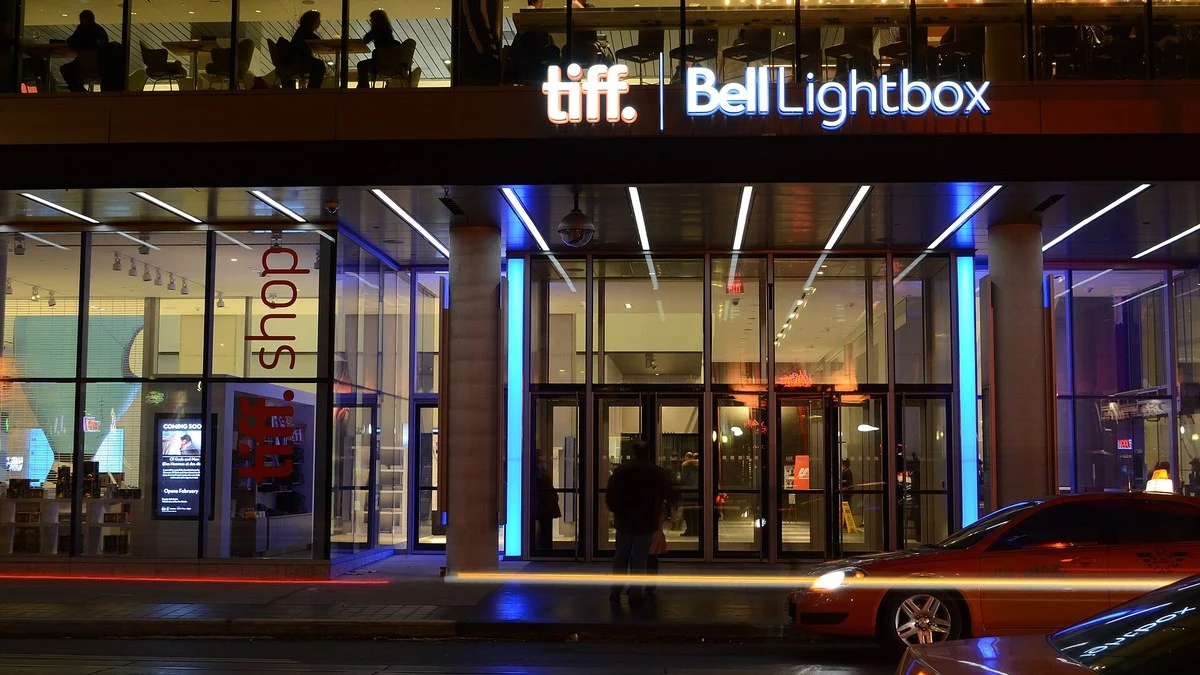
Two YouTube creators will screen new work on the opening day of the Toronto International Film Festival, and neither project is chasing a theatrical run afterward. Both are going straight back to YouTube. Mark Vins and Ziwe headline the first Variety x YouTube Creator Festival at TIFF, set for September 10.
YouTube and Variety announced the showcase on August 12. Vins, of the Brave Wilderness channel, will premiere his feature-length documentary “Reef to Ridge,” which follows his team on a high-stakes expedition through the Galápagos to film endangered species. Ziwe will premiere two new episodes of her interview series “You’d Be an Iconic Guest.” Each screening carries a Q&A with Variety executive editor of film Matt Donelly. Both shows move exclusively to YouTube later this year.
Here is why the date matters. A festival premiere has long been the front door to a theatrical release and an awards campaign. These two projects walk through that door and then turn around to a platform anyone can open for free. That inversion, prestige premiere first and free distribution second, treats creator work as premium IP from the start rather than as content that graduates into it.
The placement itself is precise. The screenings run inside TIFF: The Market, the festival’s new content marketplace launching this year, not the Official Selection tracks that carry the Galas and Special Presentations. TIFF built The Market as a hub for buying and selling screen projects across every platform. So the creators land in the room where deals happen, next to the trade, rather than on the red carpet reserved for the year’s Oscar hopefuls.
That distinction is the story, not a footnote to it.
Variety is co-hosting, a step past media partnership. Dea Lawrence, the outlet’s co-president and publisher, is quoted directly in the announcement. “We’re excited to partner with YouTube in its inaugural year at TIFF, spotlighting the extraordinary rise of creator-filmmakers who are pushing the boundaries of premium storytelling and redefining the next generation of cinematic voices,” Lawrence said.
YouTube framed the moment in blunter terms. “YouTube is where the next generation of Hollywood is being built,” said Kim Larson, the platform’s global head of creators.
The two picks are not interchangeable, and that is deliberate. Vins built Brave Wilderness into a wildlife-documentary operation, and “Reef to Ridge” is his first feature at that scale. Ziwe arrives from the opposite corner, a comedian and interviewer whose format thrives on discomfort. One is expedition cinema. The other is a talk show that refuses to be comfortable. Together they make the argument that creator programming is not one genre but a slate.
The 51st edition of TIFF runs September 10 through 20, with The Market anchored at the Metro Toronto Convention Centre. The creator festival occupies the first day of it.
The premieres screen once at the convention center. The shows themselves land on YouTube before the year is out.
Related: YouTube Lands Opening-Day TIFF Slots With Vins, Ziwe.