
Entertainment
The Sidemen’s Media Empire: How 7 Friends Built a Content Conglomerate

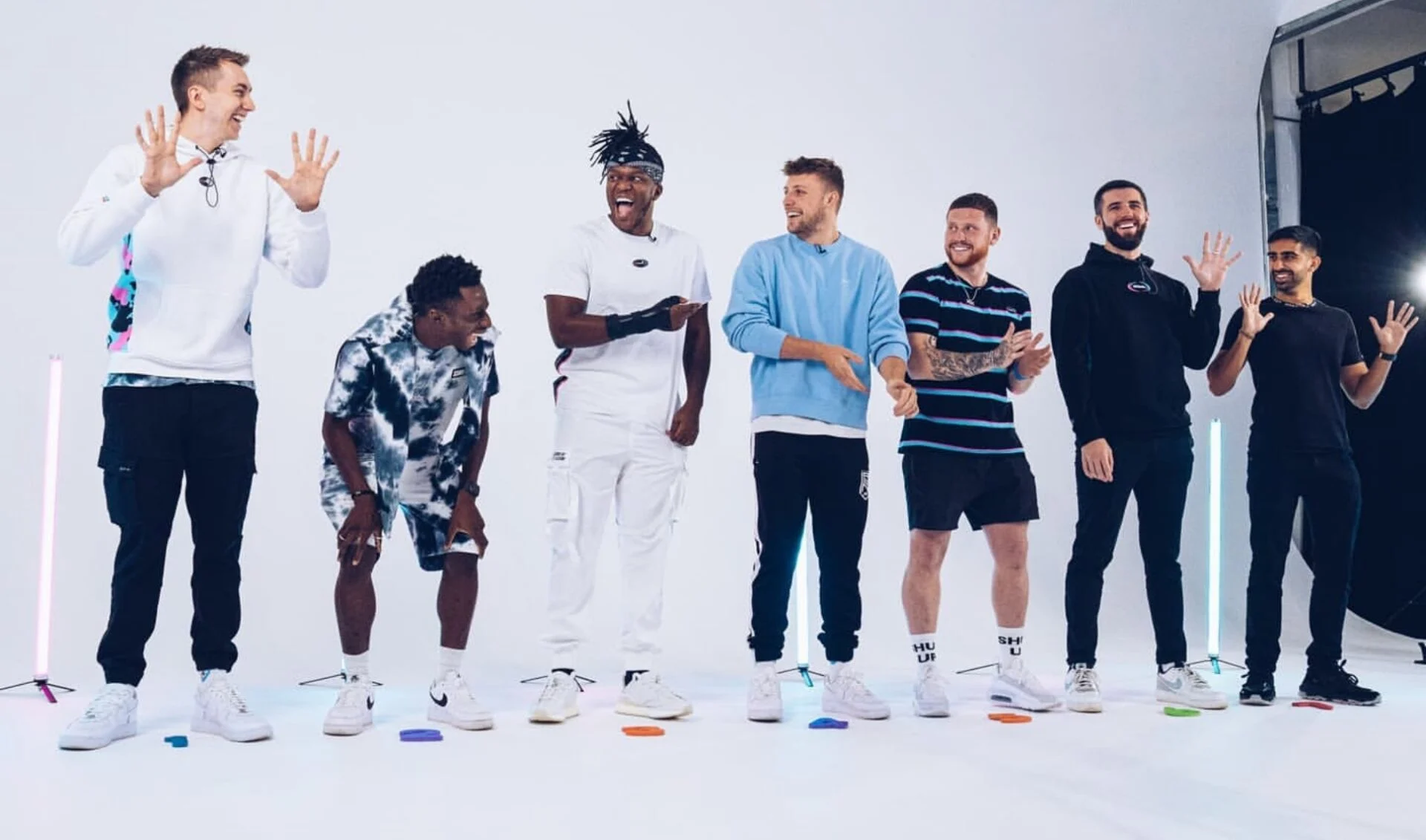
What began as seven friends recording themselves playing FIFA has now become a hugely successful entertainment and commerce company. The Sidemen (KSI, Zerkaa, Miniminter, TBJZL, Behzinga, Vikkstar123, and Wroetoshaw) have turned a decade of internet clout into a diversified, nine‑figure business. Their output looks less like a creator channel and more like a small network that programs different formats for different levels of engagement. That structure gives them both the attention and the operational footprint of a lean digital studio with its own product
The Sidemen operate a compact media built around a flagship YouTube channel for larger videos, auxiliary channels for gaming, behind‑the‑scenes, and reaction content, and their premium streaming service Side+, as a subscription tier for the most invested fans. Together, they reach tens of millions of subscribers and deliver a consistent baseline of content that also helps them mark their brands. Their calendar leans on set pieces such as long‑form challenges and charity football matches that play more like live events than standard uploads, with weekly videos and shorts filling in the gaps between those spikes. Their latest charity match filled a Premier League stadium, attracted millions of live viewers, and raised a multi‑million‑pound total for U.K. charities, showing how a creator‑led match can now move audience and capital at the scale of a mid‑tier sports property.
The group’s first meaningful business move outside of content creation was Sidemen Clothing, positioned from the outset as a standalone apparel line rather than a basic merch shelf. The brand has shifted toward seasonal drops and collaborations that sit closer to streetwear than fan gear and gave the group a direct‑to‑consumer revenue stream with higher margins than standard ads. From there, the playbook expanded into category‑specific brands that could stand on their own. Sides, their fast‑food concept, uses ghost kitchens and franchise partners to serve customers across multiple markets, with reporting that the business has reached seven‑figure weekly revenue as it scales locations and delivery volume. XIX Vodka, their move into spirits, lets the Sidemen monetize an aging core audience through a premium product that can live in retail, nightlife, and events where creators usually appear as short‑term endorsers rather than long‑term owners.
Analysts and business press now estimate that the broader Sidemen ecosystem is worth nine‑figures when adding up channels, brands, and IP, with most of the upside sitting in assets they control. Ads across their channels are estimated to generate millions of dollars per year on their own, but the more material story is how that attention converts into subscriptions, food orders, alcohol sales, and apparel purchases where the group participates as equity holders. Internally, equal revenue splits and a shared company structure keep all seven members aligned, which reduces the incentive to peel off for individual deals and helps explain why the group has stayed intact through multiple growth phases. That alignment also supports slower, more capital‑intensive bets such as brick‑and‑mortar Sides locations and in‑house production infrastructure that would be hard to justify inside a looser collective.
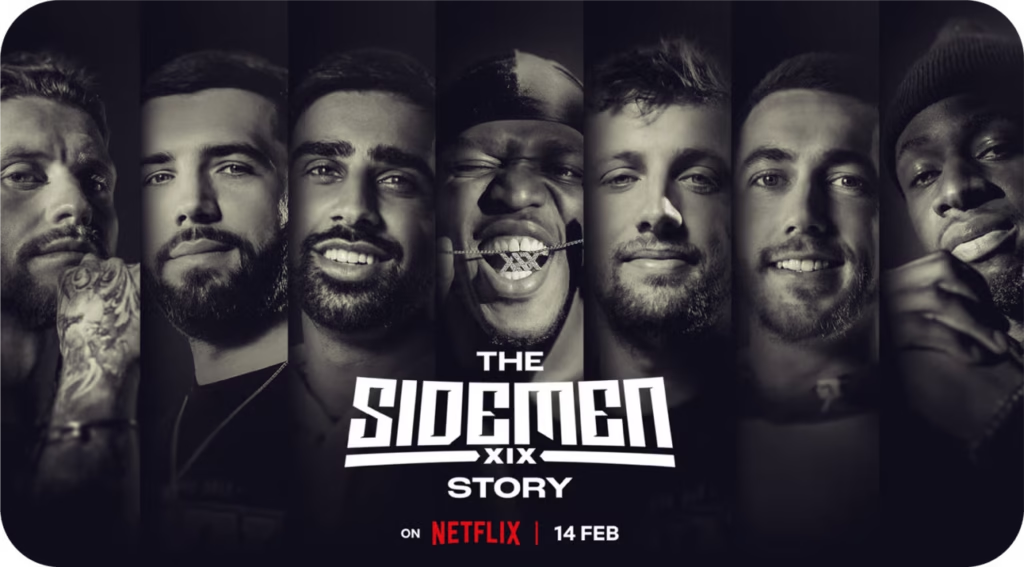
Their latest phase is about turning a decade of uploaded content into catalog and licensing opportunities. The Sidemen Story, their documentary distributed on Netflix, moves part of the business away from platform‑dependent content toward a film‑length asset that can live across territories and windows and sit alongside traditional entertainment IP. For a company built on weekly releases, that type of project functions as a hedge against changes in recommendation systems and ad markets and puts them on the radar of partners who do not normally transact at the YouTube channel level. Around that core, the group continues to run live events, recurring charity matches, and new product launches in food, beverage, and merchandise that do not rely on a single platform to succeed. The result is a creator business that now looks less like an influencer collective and more like a self‑financed entertainment and consumer brand portfolio with seven founders still on screen to market what they own.


Entertainment
Rabbit Hole Sends 36 Creators to Disney+ and Hulu
Pocket.watch’s Rabbit Hole puts 36 creators in one premium series, then parks 240 spinoff episodes behind it on Hulu. The structure, not the star count, is the story.


Thirty-six creators walk into one variety series, and behind them Hulu quietly stacks 240 more episodes so nobody who clicks in has a reason to click out. That is the shape of Rabbit Hole, the pocket.watch series that premiered July 13 on Disney+ and Hulu. Topper Guild, the YouTube prankster with the largest following in the cast, leads it.
The 10-episode, half-hour series debuted on Disney+ and Hulu in the US and on Disney+ in select international markets on July 13. Disney and pocket.watch call it the largest ensemble of digital stars ever assembled for a premium series. The cast reaches a combined 675 million followers, more than the roster carried at greenlight, when the same show counted 421.8 million.
That headline number is the easy part. The real story sits in the release strategy around it, and it says a great deal about where creator IP is heading.
Pocket.watch did not just book a marquee show. It built a supply chain. Eight cast members already have individual series streaming on Hulu, with more launching around the premiere, and the full universe spans 240 half-hour episodes. The tentpole draws the crowd. The back catalog keeps them there.
The Ensemble Is the Product
The follower total works because no single channel could stage the collisions the show is built on. A viewer who watches Topper Guild’s pranks has never seen him next to ZHC’s art challenges or Collins Key’s magic. The cast also includes Zhong, Jesser, Josh Peck, Sofie Dossi, Mackenzie Turner, Papa Jake, Matthew Beem, and ExtraEmily.
Individual reach anchors the pitch. Topper Guild brings 127.9 million followers, Zhong 100 million, and ZHC 76.1 million, figures pocket.watch listed creator by creator in its announcement. Those are the three largest in a lineup where most names would headline a show on their own.
Disney frames the deal as a milestone for its platforms, not a favor to the creators. Lauren Tempest, Head of Content Planning and Partnerships, DTC at The Walt Disney Company, said the series gives subscribers “access to 36 of the most followed creators for teens, all in one series.”
Why the Spinoffs Matter More Than the Premiere
The math on retention is the point. One premium series can win a launch weekend. A launch weekend does not hold a subscription.
That is the gap 240 episodes are built to close. Pocket.watch CEO Chris M. Williams described the model as a premium entry point that opens into hundreds of episodes of the same talent, connecting appointment viewing with ongoing discovery. It reads less like a show order and more like a studio franchise assembled from fanbases that already exist.
The comparison is traditional television, run backward. Legacy studios build a hit, then spin off characters audiences met on screen. Pocket.watch starts with creators who arrived with millions of fans, then routes that attention through Disney’s paywall and keeps it circulating across the spinoff slate.
The scale grew as the deal did. When pocket.watch first greenlit the show in October 2025, as Deadline reported, the cast commanded 421.8 million combined followers and Hulu was the sole US home. By launch the roster had expanded to 36 creators and 675 million followers, with Disney+ added for the US and international markets.
Rabbit Hole is the clearest test yet of whether free-platform audiences follow their favorites behind a subscription wall. All 10 episodes are streaming now. The 240 waiting on Hulu will decide whether they stay.


Entertainment
Dudamel Streams LA Phil Farewell on His Own YouTube
Gustavo Dudamel is ending 17 years at the LA Phil on his own YouTube channel, not a broadcast network, turning a farewell into a live Venezuela fundraiser and a bet on classical as prestige streaming.
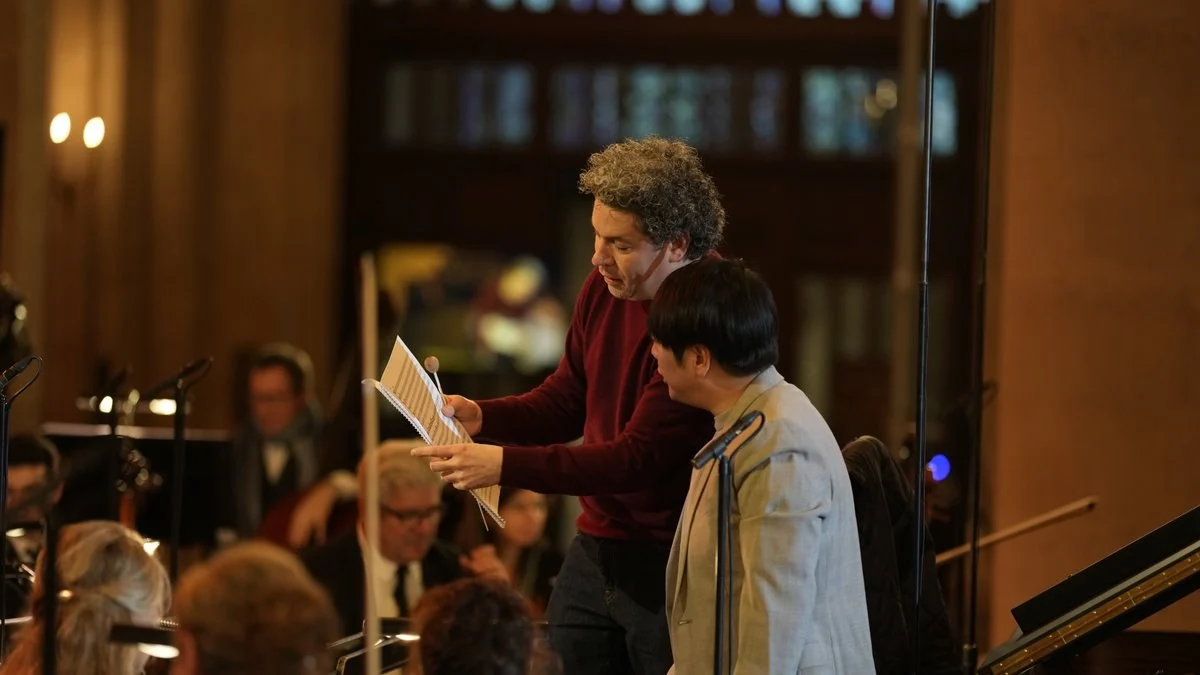
The maestro who turned a symphony orchestra into a stadium act is spending his last night as its leader routing the whole thing through a donate button. Gustavo Dudamel closes 17 years as Music and Artistic Director of the Los Angeles Philharmonic on Sunday, August 23, with a Hollywood Bowl concert streaming worldwide on his personal YouTube channel.
The show is called A Concert for Venezuela, and every dollar it raises goes toward earthquake relief. Donations split between the United Nations Development Programme relief fund and the El Sistema CAF Development Bank of Latin America and the Caribbean Fund, which supports El Sistema students, staff, families, and facilities hit by the June 24 disaster.
Here is the part the creator economy should sit with. Dudamel did not send his farewell to the LA Phil’s institutional channel or a legacy broadcaster. He sent it to his own YouTube page, with a platform-native donate button doing the fundraising in real time. A prestige classical figure is treating the platform as his independent broadcast network, and YouTube is treating classical as a category worth owning.
The concert was not always this. When the LA Phil first announced its 2026 Bowl lineup in February, the finale carried the title “Celebrating Gustavo at the Bowl: A Musical Legacy.” Then two earthquakes struck northern Venezuela on June 24, 39 seconds apart, and Dudamel rebuilt the night around his home country. The tribute became a benefit.
“Venezuela will always be my home, and every moment, my thoughts are with the families whose lives have been forever changed by this tragedy. The suffering is immense, but so is the strength and resilience of our people,” Dudamel said in the statement announcing the change.
Who Shares the Bowl Stage
The bill reaches well past the orchestra pit. Dudamel leads the Los Angeles Philharmonic and members of YOLA, the Youth Orchestra Los Angeles, alongside guests including Beck, GIVĒON, Carlos Vives, and Natalia Lafourcade. Venezuelan artists Lasso, Eduardo Betancourt, Jorge Glem, and Nella appear too, with the program built around Venezuelan composers.
That cross-genre gathering is the entire pitch. A single YouTube stream carrying an R&B singer, a Colombian pop star, and a youth orchestra under one conductor is the kind of event a broadcast network would have gatekept a decade ago. Now it lives on one man’s channel, free to anyone with a screen.
The institution put money down as well. LA Phil President and CEO Kim Noltemy announced a $50,000 charitable donation toward Venezuela relief alongside the concert, a figure that sets a floor before a single viewer clicks the button.
“In moments of profound need, our responsibility as an institution extends beyond the stage,” Noltemy said.
Where the Maestro Goes Next
The exit has a destination. Dudamel leaves Los Angeles to become music director of the New York Philharmonic, a move the orchestra announced in February 2023 on a five-year contract for the 2026-27 season.
So the farewell is also a handoff, and the choice of venue for it says something. A conductor whose LA tenure included the Super Bowl and Coachella is ending it not on a stage owned by a network, but on infrastructure he controls, pointed at a cause rather than a curtain call.
“This concert at the Hollywood Bowl is an invitation to stand together and transform our compassion into action,” Dudamel said.
The full concert stays on his YouTube channel after the broadcast ends, donate button attached. The tribute became a benefit, and the benefit does not clock out when the lights come up.
Entertainment
YouTube and Variety Book Two Creator Premieres at TIFF
On opening day of TIFF, two YouTube creators premiere new work that skips theaters entirely and heads straight back to the platform. Inside the Variety x YouTube Creator Festival and why the room it sits in matters.
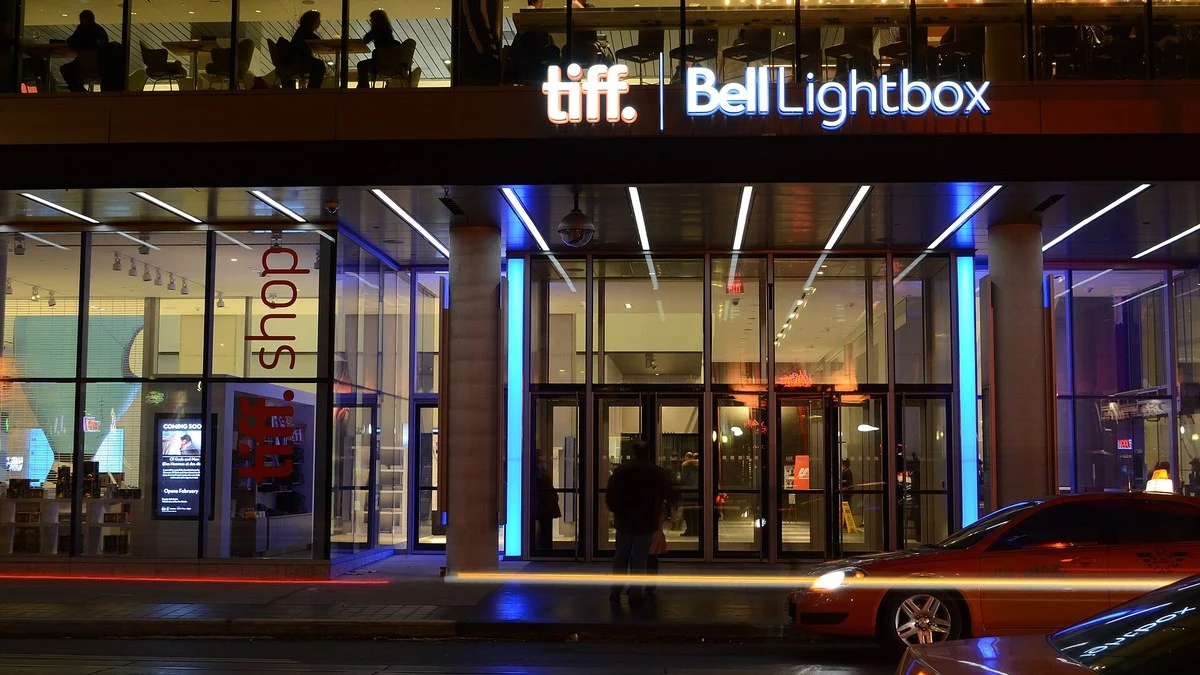
Two YouTube creators will screen new work on the opening day of the Toronto International Film Festival, and neither project is chasing a theatrical run afterward. Both are going straight back to YouTube. Mark Vins and Ziwe headline the first Variety x YouTube Creator Festival at TIFF, set for September 10.
YouTube and Variety announced the showcase on August 12. Vins, of the Brave Wilderness channel, will premiere his feature-length documentary “Reef to Ridge,” which follows his team on a high-stakes expedition through the Galápagos to film endangered species. Ziwe will premiere two new episodes of her interview series “You’d Be an Iconic Guest.” Each screening carries a Q&A with Variety executive editor of film Matt Donelly. Both shows move exclusively to YouTube later this year.
Here is why the date matters. A festival premiere has long been the front door to a theatrical release and an awards campaign. These two projects walk through that door and then turn around to a platform anyone can open for free. That inversion, prestige premiere first and free distribution second, treats creator work as premium IP from the start rather than as content that graduates into it.
The placement itself is precise. The screenings run inside TIFF: The Market, the festival’s new content marketplace launching this year, not the Official Selection tracks that carry the Galas and Special Presentations. TIFF built The Market as a hub for buying and selling screen projects across every platform. So the creators land in the room where deals happen, next to the trade, rather than on the red carpet reserved for the year’s Oscar hopefuls.
That distinction is the story, not a footnote to it.
Variety is co-hosting, a step past media partnership. Dea Lawrence, the outlet’s co-president and publisher, is quoted directly in the announcement. “We’re excited to partner with YouTube in its inaugural year at TIFF, spotlighting the extraordinary rise of creator-filmmakers who are pushing the boundaries of premium storytelling and redefining the next generation of cinematic voices,” Lawrence said.
YouTube framed the moment in blunter terms. “YouTube is where the next generation of Hollywood is being built,” said Kim Larson, the platform’s global head of creators.
The two picks are not interchangeable, and that is deliberate. Vins built Brave Wilderness into a wildlife-documentary operation, and “Reef to Ridge” is his first feature at that scale. Ziwe arrives from the opposite corner, a comedian and interviewer whose format thrives on discomfort. One is expedition cinema. The other is a talk show that refuses to be comfortable. Together they make the argument that creator programming is not one genre but a slate.
The 51st edition of TIFF runs September 10 through 20, with The Market anchored at the Metro Toronto Convention Centre. The creator festival occupies the first day of it.
The premieres screen once at the convention center. The shows themselves land on YouTube before the year is out.
Related: YouTube Lands Opening-Day TIFF Slots With Vins, Ziwe.