Travel
The 15 Events Creators Need To Be At For Cannes Lions 2026
The awards happen inside the Palais. The creator economy happens on the sand. Here is where to actually be for Cannes Lions June 22-26.

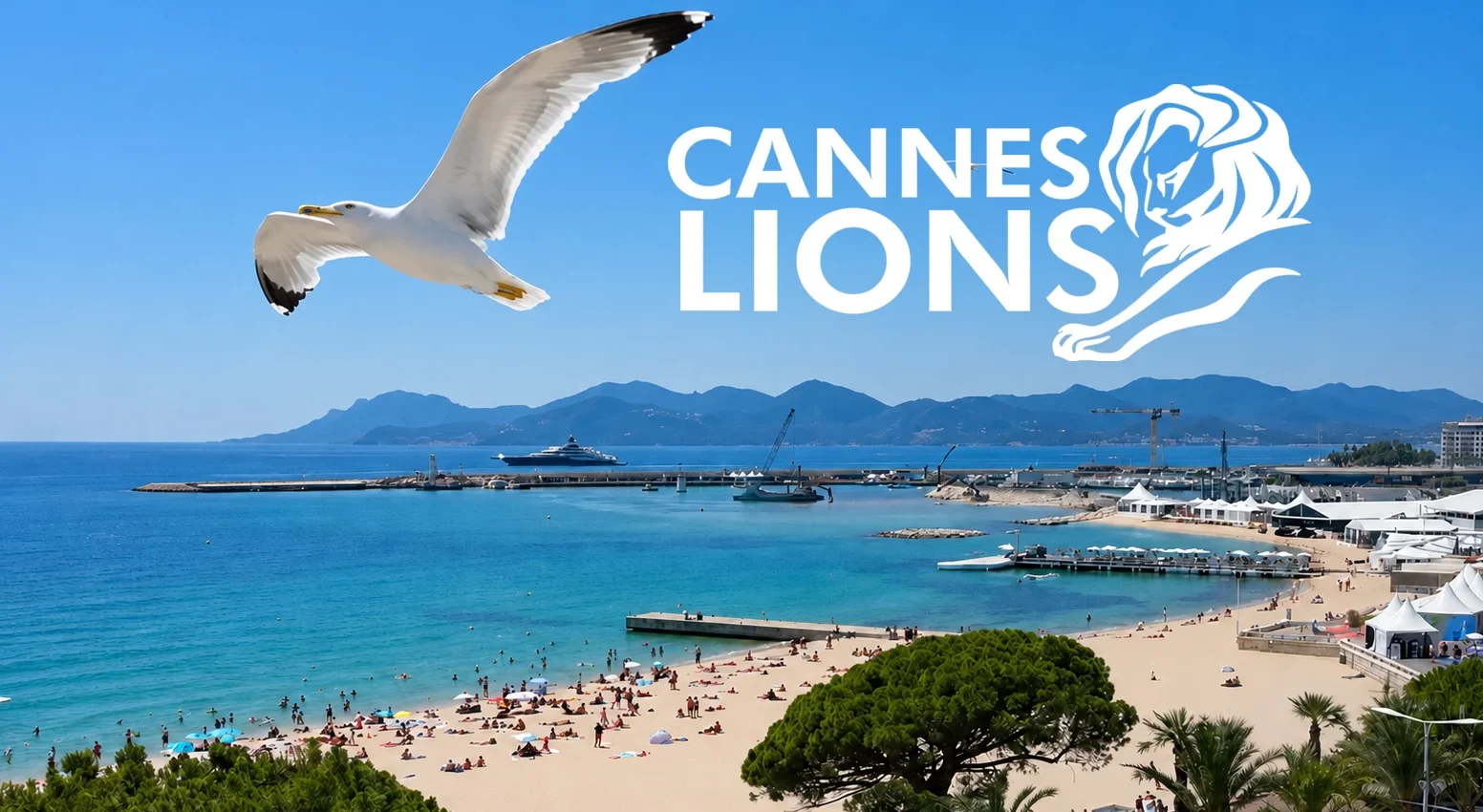
The Croisette knows how to put on a show. It has hosted one every spring since 1946. Movie stars at the Cannes Film Festival in May, Formula 1 tearing through Monaco up the coast, yachts drifting west to St-Tropez. By late June the French Riviera needs a closing act. The advertising industry provides it, on the same sand, the same Carlton terraces, the same golden-hour light. This coastline has always rewarded the art of being seen. Only the cameras have changed hands.
Cannes Lions is technically an advertising festival, but in practice the week has become the creator economy’s annual international summit. Every major platform builds a beach, every agency books a rooftop, and the deals that shape the next year of creator marketing get done standing in line for rosé. The guide below cuts the week’s sprawling event calendar down to one audience: creators and the people who work with them. RSVP early. Every venue runs its own registration, and the good ones cap out weeks before the Croisette fills up.
The Anchor Events of Cannes Lions
1. Influential Beach and the Forbes Top Creators List Launch
The creator-marketing giant’s takeover of La Mandala Beach runs Monday through Wednesday, 9 a.m. to 3 p.m. daily, and it is the closest thing the week has to a creator-economy headquarters. Circle Tuesday, June 23: the 2026 Forbes Top Creators List launch celebration runs 5 to 8 p.m. on the sand, the single most creator-specific moment of the entire festival. Monday closes with a Publicis welcome party from 6 to 10 p.m., and Wednesday stacks a Fanatics Advertising happy hour at 5 p.m. into an evening concert that runs until 1 a.m. RSVP at influentialbeach.com.
2. Sport Beach
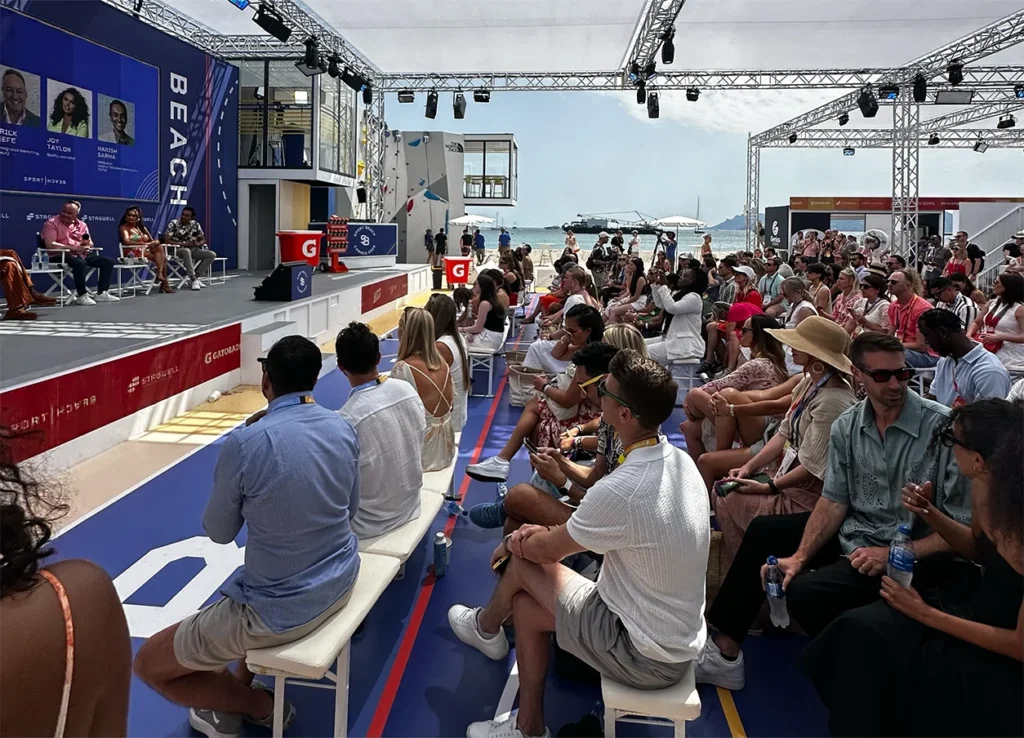
La Plage Du Festival at 52 Bd de la Croisette becomes the athlete-creator crossover hub of the week, opening Sunday and then running on the festival’s most aggressive hours: 7 a.m. starts every day, with Tuesday stretching from 7 a.m. to 11 p.m. If your lane touches sports content, athlete partnerships, or the IRL formats eating the creator economy, this is your standing appointment. Register at sportbeach.com/cannes2026.
The Platform Beaches
3. TikTok at Cannes Lions
Monday through Wednesday, 12 to 5 p.m. at the Carlton Cannes. The platform that reset short-form economics keeps banker’s-afternoon hours, so plan around it rather than assuming you can drop in. RSVP at tiktokatcannes.com.
4. Meta Beach
Plage Barrière Le Majestic, Monday through Thursday, 10 a.m. to 4 p.m. Fresh off its creator-partnerships hiring spree, Meta’s beach is where Reels and wearables conversations happen with the people who can greenlight them. Details at facebook.com/business/events/cannes.
5. LinkedIn’s Creator Experience
The LinkedIn Rooftop at the Carlton runs noon to 4 p.m. Monday through Thursday, and the registration page says the quiet part out loud: this is a creator experience, built for the fastest-growing creator class of the moment, the professional poster. B2B creators should treat it as home base. RSVP at the LinkedIn event page.
6. Pinterest Manifestival
Carlton Beach Club, Monday through Thursday, roughly 9 a.m. to 5 p.m. Pinterest keeps quietly writing checks in the taste economy, and Manifestival is its annual argument that aesthetics are infrastructure. RSVP at pinterestcannes.com.
7. Reddit Community Deli
The most original build of the week: a deli-themed activation at Rue Buttura and Promenade Robert Favre le Bret, running Monday from 9 a.m. all the way to 9:30 p.m., then 9 to 6 Tuesday and Wednesday. Reddit’s pitch to brands is community authenticity, which is also exactly the conversation creators should be in the room for. RSVP at the Reddit Cannes page.
8. Canva Creative Cabana
Vega La Plage, Monday through Thursday, with the week’s most generous hours: doors as early as 7 a.m. and Thursday running to 11 p.m. The creator-tools side of the economy lives here. RSVP at canva.com/events/cannes.
9. Amazon Port
The Esplanade Pantiero port takeover runs Monday through Thursday, roughly 8 a.m. to 6 p.m. Between live shopping, Prime Video’s creator slate, and Twitch, Amazon touches more creator revenue lines than any company at the festival. Register at Amazon’s event page.
10. ADWEEK House
The trade-press salon of the week opens with a kickoff soirée Sunday, 7 to 9 p.m., then runs daily at the Hotel Barrière Le Majestic through Thursday. This is where creator-economy coverage gets decided as much as discussed, and where a well-timed conversation becomes a profile. RSVP at event.adweek.com.
The Rooms Worth Working For
11. Creator Culture Club: Cannes Lions Edition
Meltwater’s invite-only creator community hosts a three-lunch series at Beau Restaurant Cannes on Monday, June 22, Tuesday, June 23, and Thursday, June 25. Creator Culture Club was founded by the Magic Connector, Antonia Jade Amico. She built CCC inside Meltwater to bring creators, brands, agencies, and platforms together through curated in-person experiences. The Cannes edition is positioned as the relaxed, elevated alternative to the Croisette networking churn. An intimate table, a real lunch, and a deliberate mix of creators, marketers, platform leaders, and cultural tastemakers. Request a seat via the Creator Culture Club calendar.
Snapchat’s Cannes Lions Run
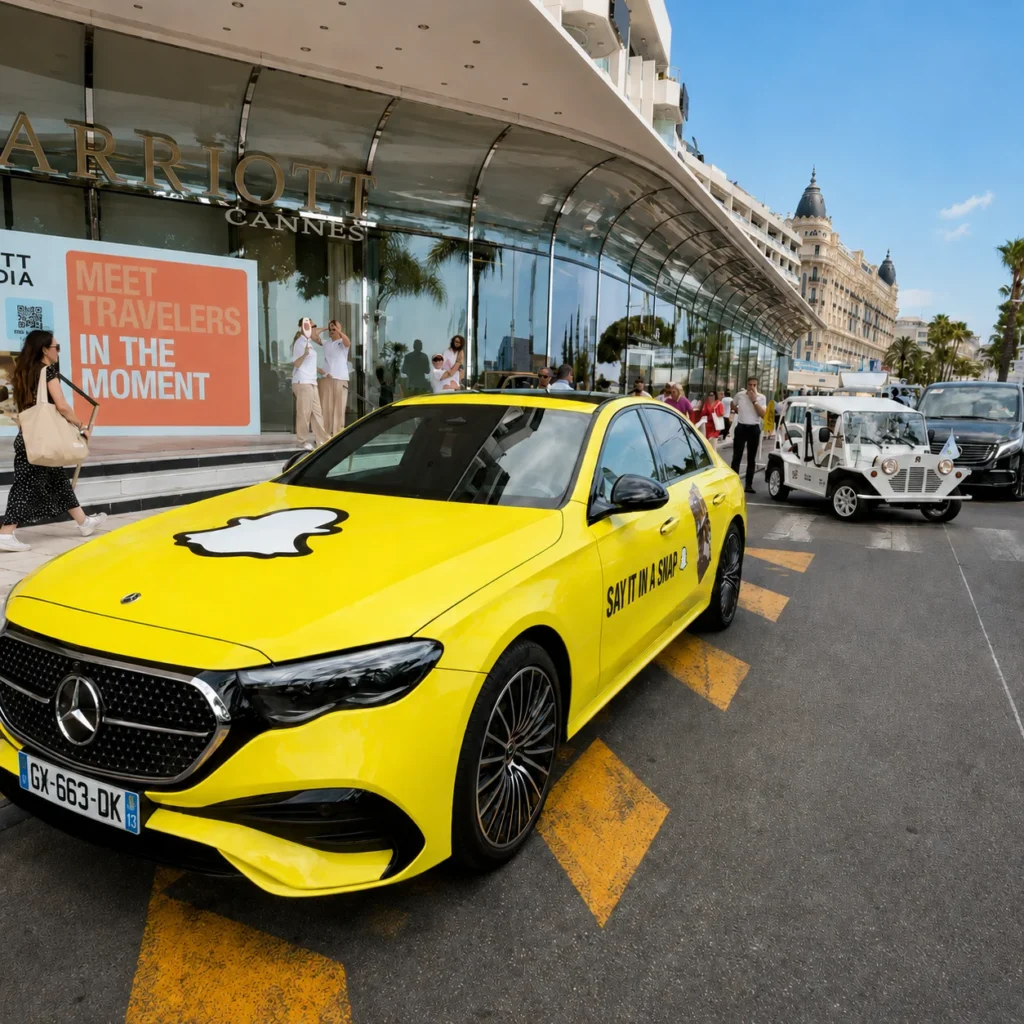
Snapchat is spreading its presence across partner venues all week, June 22-26, and the through-line is creators. Times and locations are on each registration page.
12. Meltwater x Snapchat Panel ft. Shuang Hu
A creator-focused panel pairing the platform with Meltwater’s data, featuring actress and creator Shuang Hu. RSVP at the event page.
13. Later x Snapchat Creator Panel ft. David Dobrik
Dobrik arrives at Cannes months removed from being crowned Snapchat Creator of the Year the Snappys. A David Dobrik panel on creator strategy is the kind of room that fills fast. Register at the Later event page.
14. Later x Snapchat Fireside Chat with Roblox
Snapchat and Roblox in one conversation is the under-25 internet talking to itself, and the brands listening should include anyone chasing Gen Z and Gen Alpha attention. Same registration as the Dobrik panel, at the Later event page.
15. Sprout Social x Snapchat CMO Happy Hour
The decision-maker room: a happy hour built around CMOs, which for a creator means the rare chance to talk budgets with the people who set them, drink in hand. RSVP at the Sprout Social event page.
How to Play the Week
Three practical notes. First, every event above runs its own RSVP separate from your festival badge, and the creator-specific ones cap hardest, so register this week, not when you land. Second, build your days around the anchor hours: mornings at Sport Beach or Canva, platform beaches in the afternoon window, and evenings at whichever party matches your lane. Third, Tuesday, June 23 is the densest creator day of the festival: Sport Beach runs sixteen hours, the Creator Culture Club lunch sits at midday, and the Forbes Top Creators List launch closes the evening. If you can only fly in for one day, that is the day.
Travel
Gstaad Guy Says Your Italy Coffee Order Is the Shakerato
The drink of the summer is cold, foamy, served in a martini glass, and waiting at nearly every bar in Italy.
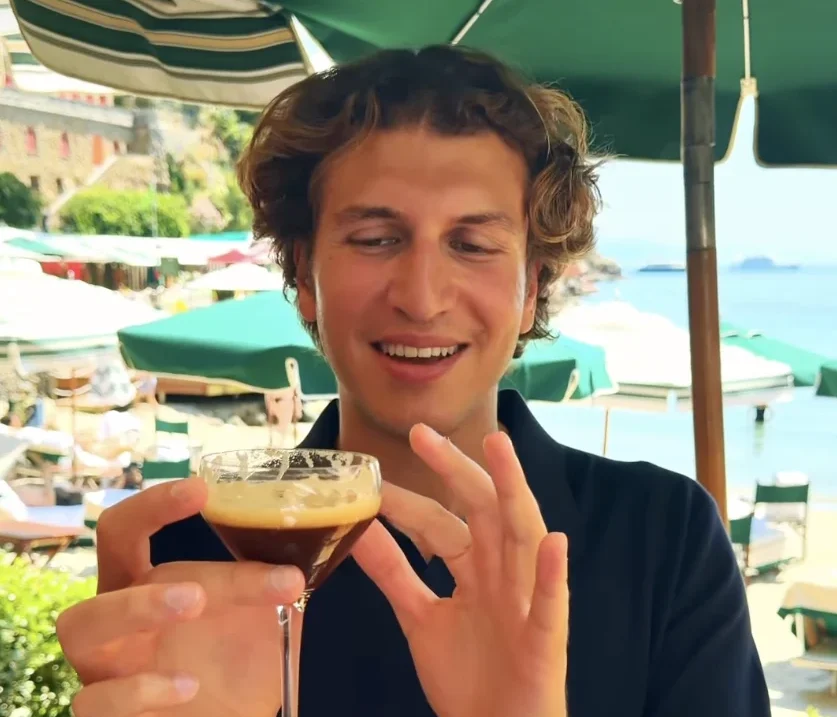
There is a specific small dread that comes with wanting iced coffee in Italy. You know the order is wrong before you say it. The barista knows it too.
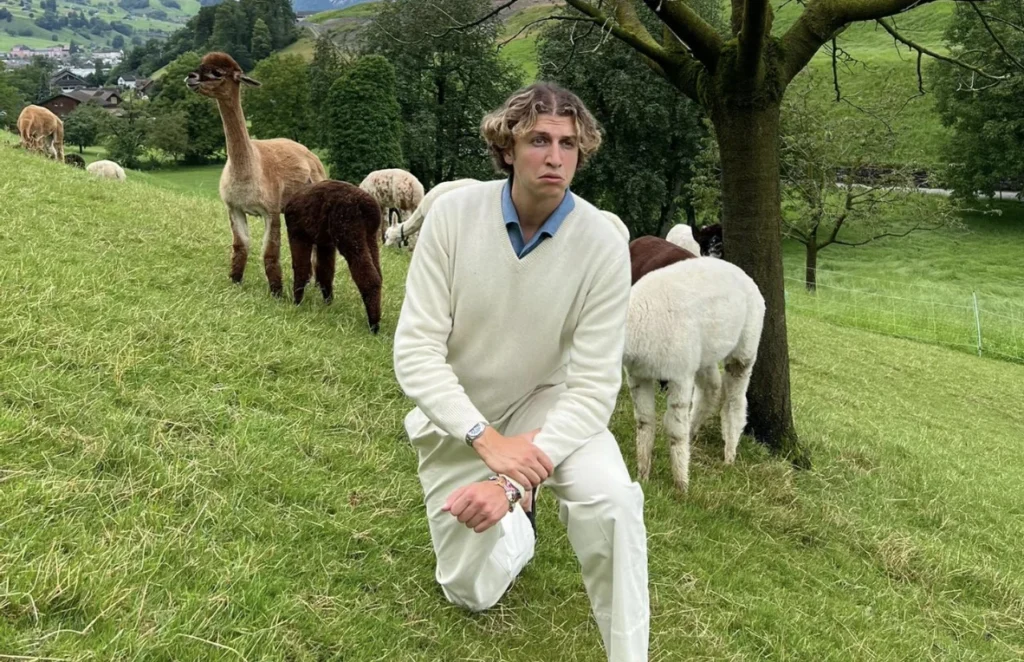
Gstaad Guy just handed his millions of followers the password. In a video posted this week, the luxury-lifestyle satirist declared the caffè shakerato his “drink of the summer,” and pitched it squarely at Americans who would rather not be the person requesting a venti iced anything on the Amalfi Coast. His version adds a touch of vanilla. The classic is a simple nod to La Dolce Vita.
What you are actually ordering
The shakerato is three ingredients and one piece of theater. The barista pulls a fresh espresso and shakes it hot with ice and simple syrup in a cocktail shaker, hard, until the drink transforms. La Marzocco notes that the vigorous shaking stretches the espresso’s natural crema into a tight, stable foam. Strained into a chilled coupe or martini glass with the ice left behind, it arrives looking like a cocktail. It is just coffee: non-alcoholic and dairy-free in its classic form, which makes it the rare universal order. The syrup does double duty as sweetener and foam stabilizer.
Barista Magazine traces the name to the English verb “shake” with an Italian ending, and notes the drink’s exact origin is unknown, usually credited to Italian bartenders in the 1990s. Federica, a manager at Rome’s Sant’Eustachio il Caffè, told the magazine it is “so much more fun to drink than a normal espresso.”
How to do it like you have done it before
Say “un caffè shakerato, per favore.” That is the whole script. It works at nearly any bar in the country, from a Milan counter to a beach kiosk in Puglia, no specialty café required while on your Eurosummer. A few notes that separate the traveler from the tourist: it is an afternoon drink, the natural answer to the hour when a cappuccino would raise eyebrows. Drink it standing at the counter, the way Italians take their coffee, and know that sitting at a table typically costs more for the same glass. And if you like Gstaad Guy’s vanilla twist, ask for “vaniglia” without apology. Flavored syrups are an established variation, and even Ina Garten has a vanilla version.
Why this endorsement travels
Gstaad Guy built his following on two characters: Constance de von Gstaad, an old-money European, and Cousin Colton, his new-money American counterpart. The act runs the real Eurosummer circuit from the Swiss Alps to the Côte d’Azur, and a meaningful slice of the audience books the same coastline his content is set on. A thirty-second Reel naming the right coffee order does what a thousand-word travel feature cannot: it lands in the feed of someone flying to Rome in June and tells them exactly what to say at the bar.
The shakerato earns the moment on its own. It runs through an Italian summer the way the Aperol Spritz runs through happy hour: ordered standing, unhurried, and nearly universal. The difference is you can have it at 3 p.m. and still make dinner.

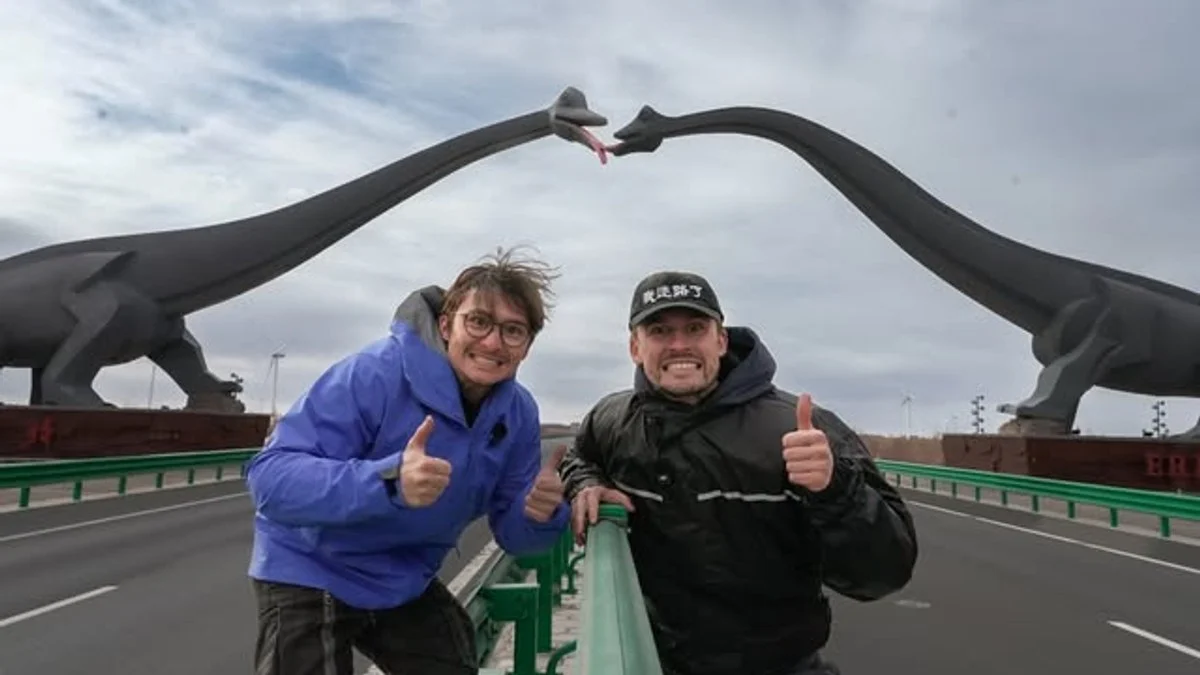
Last March, Ludwig Ahgren and Michael Reeves rode motorcycles the length of Japan with no smartphones, no maps, and enough Japanese to get themselves into trouble. It became one of the best YouTube series of 2025. So naturally, they’ve made it harder this year, just finishing their infamous two-week journey across China. The two have been recording their daily adventures with translations added afterwards, adding a level of humor to the fun, as listeners can now understand the bewilderment of people trying to help the travellers on their journey.
Their new adventure, Tip 2 Tip: China, sent the pair from the southern coast of China all the way to the Mongolian border in two weeks, without maps or smartphones. The final video was just released today. Ludwig and Michael’s route began in Guangzhou and ended near Erenhot, covering roughly 3,000 miles, about the same as going coast to coast in the continental U.S., with very minimal Chinese language skills and lots of rural terrain.
The rules were the same as last year: no highways, no maps, no smartphones, although Michael and Ludwig were allowed to let good samaritans pull out their own phones to translate. China presented a specific logistical challenge before they even got on the bikes. Unlike Japan, which still runs on cash, much of China’s payment infrastructure is built around smartphone QR codes, with smaller vendors and stalls often having no cash registers at all.
In preparation for their journey, the two spent months studying Mandarin before the trip. Clearly, their language preparation was not enough.. In episodes running around 30 minutes each, Michael and Ludwig showcase the Mandarin they learned while frequently failing to get their point across, at one point asking for a “pig shop” instead of a hotel. Their frequent miscommunications and antics travelling across the country have gone viral on Bilibili, the popular Chinese social media app often compared to YouTube.
Early antics included failing to find a compass, clogging a toilet, karaoke, getting pulled over, picking up a hitchhiker and getting invited to the mayor of a small Chinese city’s house. Their lack of experience in the Mandarin language lead to many mishaps, including an incident where the two accidentally crash a “happy funeral” in Hunan province, mistaking the funeral banquet for a restaurant.
It did not slow them down much. Over the course of the series they picked up a hitchhiker, got invited to a Chinese mayor’s home, and spent a day with a group of local kids, during which it became apparent that Ludwig is oddly good with children. They stumbled onto what viewers started calling “the most beautiful shortcut in the history of shortcuts.” There was a bread mishap with ongoing consequences.
The language barrier was worse than Japan throughout. Rural Chinese dialects can sound almost nothing like standard Mandarin, and the underdeveloped infrastructure of some stretches made navigation genuinely difficult. Mandarin is also a very difficult language to learn, having many different tones that can be unfamiliar to non-native speakers. Ludwig kept mispronouncing the Chinese word for “adventure” in a way that came out as “cat line.”
Chinese traffic law added a wrinkle Japan didn’t: motorcycles are prohibited from expressways, meaning they were legally required to take the surface roads regardless of the rules of the challenge. The series ran daily on Ludwig’s YouTube channel, shot and edited ahead of release, with a buffer week built in for the editing team, with episodes already reaching millions of views on YouTube. The Bilibili audience followed along in parallel, with fan-run sites translating Chinese viewer comments back into English for Ludwig’s regular audience to read. Two groups of people watching the same trip from opposite ends of the language barrier. The full series is now available on Ludwig’s YouTube channel.

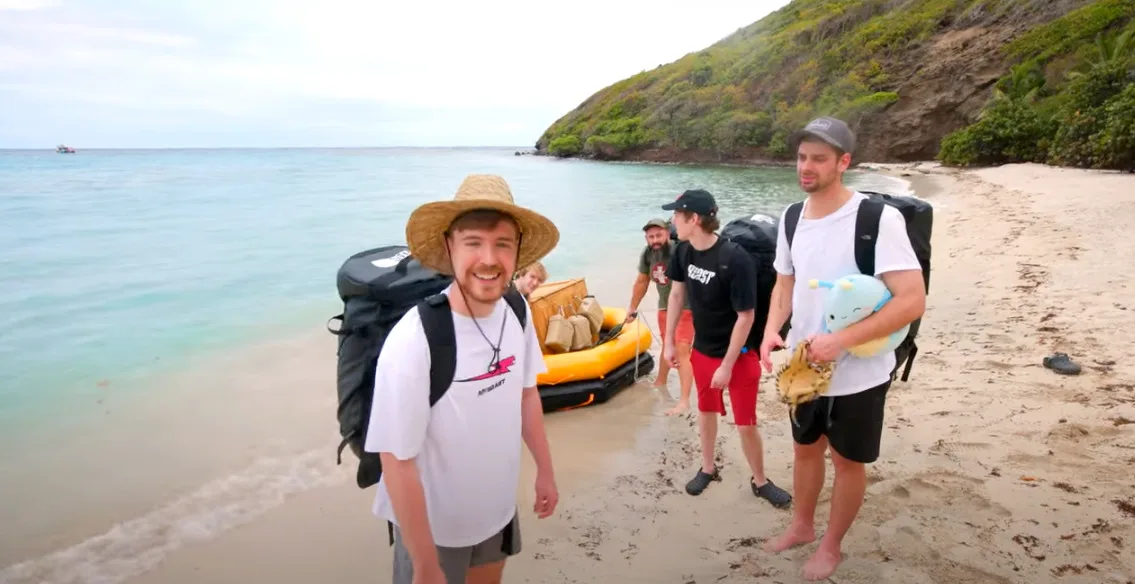
In May 2024, YouTube superstar MrBeast (born Jimmy Donaldson) walked away from Night Media, the talent management company that helped scale his business to an annual revenue of $600 million to $700 million and attracted additional high-profile creators such as Kai Cenat and Hasan Piker. The departure was amicable. Night Media CEO Reed Duchscher continued working with Donaldson on the snack brand Feastables, but Donaldson no longer relied on external firms to manage production or growth. Beast Studios had already evolved into a self-contained operation capable of producing content at scale without being tied to a single studio, office, or centralized hub. As the streaming industry standardized around creator collectives and shared infrastructure, Donaldson moved in the opposite direction, consolidating control while expanding where and how his content could be produced. The pattern is unmistakable across the creator economy. Increasingly, talent built on YouTube, social media and streaming platforms no longer need to outsource work to management companies, creator hubs, or fixed studios. As IRL streaming and travel-based formats gain traction, centralized locations have become less essential to growth and, in some cases, a constraint on scale.
The story of the modern social media influencer began on Vine, the short-lived and influential six-second video platform. Before being discontinued in 2016, this precursor to TikTok peaked at over 200 million users. In 2015, Vine stars rented and worked out of an apartment complex in Los Angeles, and YouTubers like the Paul brothers followed, renting out mansions and collaborating on content. With the rising popularity of TikTok from 2018 onward, famous users of the app followed suit. Hype House, the most notable TikTok house, hosted the D’Amelio sisters and Addison Rae at its peak, but many left in 2020 to pursue their own independent business ventures. Similar patterns played out with Team 10, the influencer group founded by Jake Paul that fractured amid lawsuits and departure announcements throughout 2019 and 2020. In December, members of popular influencer group FaZe Clan left the organization and its L.A. mansion because of contractual disputes. These collectives proved the value of shared resources, but they also exposed the limits of fixed locations. Creators increasingly developed audiences that were tied to individual brands rather than shared spaces, weakening the role of studios and creator houses. As leading influencers began to attract attention comparable to traditional media companies, they partnered with larger Hollywood studios and streaming platforms, instead of working underneath them.
These collapses foreshadowed today’s exodus: once creators build sufficient audience and brand equity, sharing infrastructure becomes a liability rather than an asset. Valkyrae’s 2024 launch of Hihi Studios, a creator-owned production company she co-founded with other gaming personalities, reflected this lesson learned. Rather than joining an existing multi-creator management firm, she built her own from the start, maintaining independence while building a brand strong enough to support production across locations.
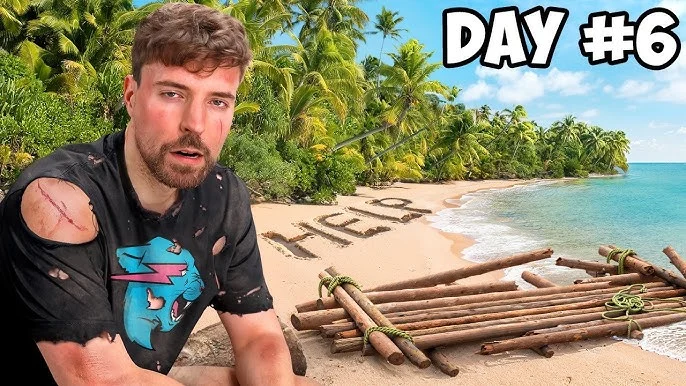
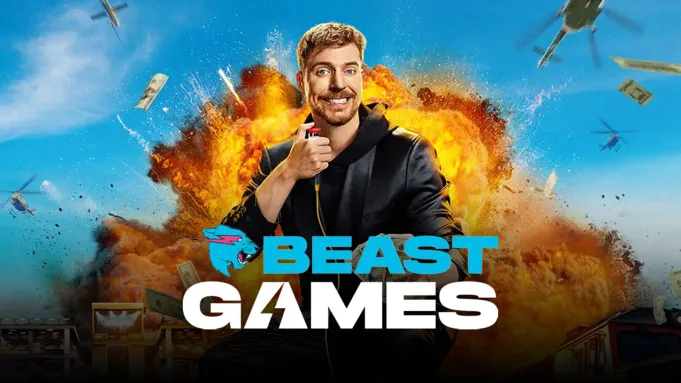
Months after ending his management deal with Night Media, Jimmy Donaldson announced a reported 100 million dollar deal with Amazon MGM Studios to produce Beast Games for Prime Video. The show became Amazon’s most-watched unscripted show, drawing over 50 million viewers in its first month, prompting the platform to renew it for two additional seasons. Beast Industry Studios later hired former NBCUniversal unscripted head Corie Henson as president of the studio division in September 2025. As creators scale, many are moving away from fixed production environments toward destination content, where the physical location is central to the production itself. As platforms reward watch time and live engagement, creators are finding that scale increasingly comes from movement rather than consolidation. MrBeast’s move away from an exclusive relationship with Night Media and his company’s hiring of a former NBC executive, illustrates how large creators are redefining studios themselves. Rather than serving as a single production location, Beast Studios functions as an operational backbone that supports content produced across locations and formats, valuing efficiency location.
The creator economy’s trajectory is now split. Emerging talent still relies on agencies and networks for growth and opportunities. But the endpoint for many successful creators is now independence instead of signing with an agency, especially as social media stars develop their own brands, work with streaming platforms and have the ability to operate anywhere. Whether this model proves sustainable remains to be seen, but it is already reshaping how digital content is produced, distributed, and experienced.