Entertainment
KSI Leaves Sidemen

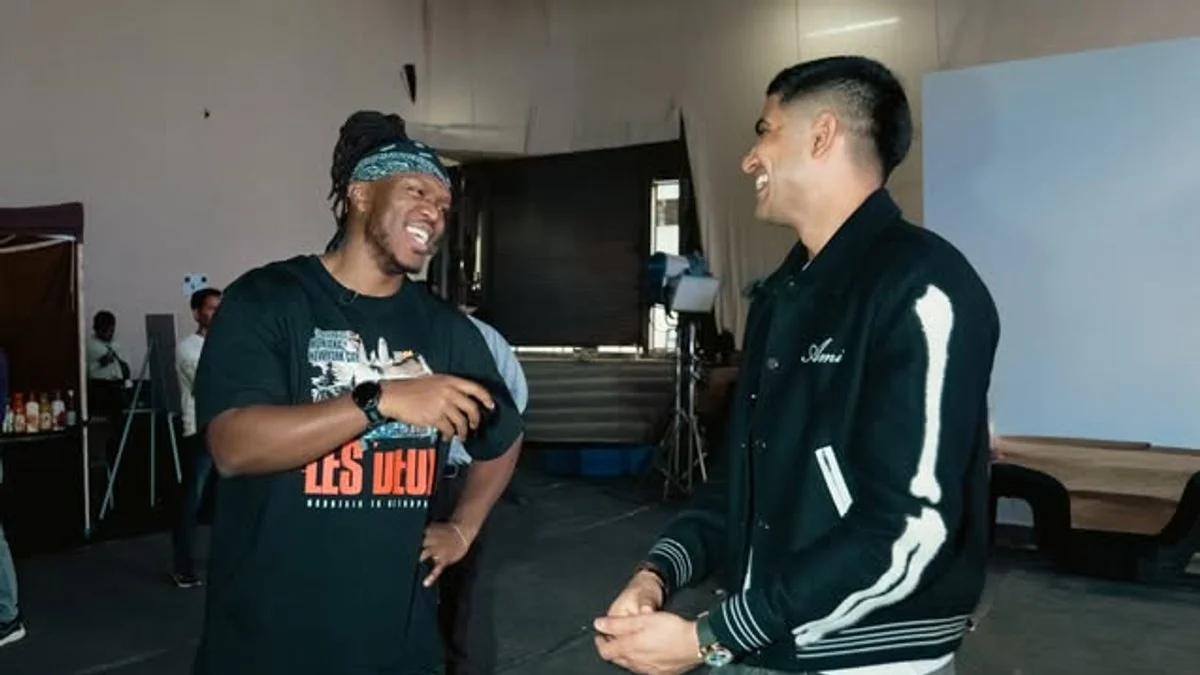
Photo: @ksi via Instagram
KSI announced this week that he is leaving the Sidemen after 13 years. A spokesperson confirmed that the announcement was real, not a staged stunt for entertainment or a temporary promotional bit. Despite early fan speculation that it might be a stunt or part of a bit, the announcement was confirmed as real by multiple major news organizations. In a statement, KSI said that he would no longer produce Sidemen videos or appear in the group’s regular content. In the video he posted on YouTube, KSI called the announcement the hardest video he had ever made and said he had been considering the decision for months before he shared it publicly with his audience and the other members.
KSI, whose real name is Olajide Olatunji, was one of the original members of the Sidemen. Born in London in 1993 to British-Nigerian parents, he began uploading videos to YouTube in 2008, initially focusing on commentary for the FIFA game series. The name “KSI” comes from a Halo clan he was a member of. Olatunji met other Sidemen members (Joshua “Zerkaa” Bradley, Simon “Miniminter” Minter, Tobi “TBJZL” Brown, Vikram “Vikkstar123” Barn, Harry “Wroetoshaw” Lewis and Ethan “Behzinga” Payne) in school. The name “Sidemen” comes from a GTA Online group that all future Sidemen members were in (except Wroetoshaw).
KSI dropped out of school around 2011 to focus on YouTube content full-time. He appeared in most of the group’s high-profile videos since Sidemen officially formed in 2013, helping the collective become one of the most prominent YouTube groups in the UK. The Sidemen’s group channel has more than 23 million YouTube subscribers and was reportedly the fastest YouTube channel to reach one million subscribers. Individual member channels and social media pages also have subscribers and followers in the millions.
KSI’s career has included multiple controversial incidents. He was accused of sexual harassment of female staff at a Eurogamer event in 2012, was dropped by Microsoft and was banned from future Eurogamer events. In March 2021, he apologized for using transphobic slurs in past videos, stating he did not know the word was offensive. In April 2023, he apologized for using a racial slur and took a break from social media.
KSI works across multiple fields beyond Sidemen videos and merchandise. He has fought as a professional boxer and appeared in films and on television. He has served as a judge on Britain’s Got Talent, starting as a guest judge in 2025 and becoming a full-time judge for series 19. He has released multiple charting albums. His business ventures include Prime Hydration with Logan Paul, launched in 2022, and Lunchly, a lunch-kit brand founded with MrBeast and Logan Paul in 2024.
The Sidemen posted a statement on Instagram saying they were sad to share the news and that KSI had decided not to continue as part of the group. They did not mention a replacement or a revised lineup at the time of the announcement. KSI said the decision was not the result of a conflict with the other members and that he still views them as “friends for life”, but later reports indicated that some of the remaining members were upset about the exit and the timing of the announcement. When asked about the departure, Sidemen member Miniminter confirmed the news during a livestream, but did not elaborate further. Regarding his decision, KSI explained that his work in music, boxing, television appearances, and business ventures had become too demanding to sustain alongside regular Sidemen content and the group’s scheduled production cycle.
Fans reacted on social media with disbelief and confusion, and many posts framed the announcement as a joke or a temporary stunt before the news was confirmed. KSI responded to the reaction by saying he is not leaving YouTube and that he will continue to create content outside the Sidemen, which suggests he is shifting his focus rather than abandoning the platform or the public eye. The Sidemen have not announced how they will adjust their content without KSI or his creative input.
KSI’s departure ends a long period in which he functioned as one of the most visible members of the group He will continue his work in music, sports, television, and business outside of the collective. The announcement does not indicate that the relationship between KSI and the other members has ended or that future collaborations will be impossible. CNN reported that the group remains active with the six remaining members.
The Sidemen Charity Match and other group projects have not been canceled, and the group has not said whether KSI will appear in any future events as a guest or special participant. The announcement on May 31 serves as the official end of his regular participation, and no further video or statement has been released to change that position.


Entertainment
TikTok Returns to TIFF as Official Platform Partner
TikTok is back on the ground at the Toronto International Film Festival, and the fine print of its Ottawa settlement turns a sponsorship into a creator-economy test.

For two years, TikTok’s name was gone from the sponsor wall at Canada’s biggest film festival. This September it goes back up. TikTok returns to the Toronto International Film Festival as Official Platform Partner. It is also presenting partner of the Special Presentations programme. This marks its first physical presence at the festival since its sponsorship was pulled during a federal national security review of parent company ByteDance.
The 51st edition runs September 10 to 20. What makes the return more than a logo swap is the fine print behind it. The Hollywood Reporter reported the terms of the deal. In return for regaining its physical presence in Canada, TikTok agreed with Ottawa to invest in the Canadian cultural sector. That means supporting Canadian creators, artists and cultural organizations. It also means strengthening Canadian cultural content in both official and Indigenous languages.
That is the story for anyone who makes a living on the platform. A sponsorship became a policy commitment, and the commitment names creators first.
Here is why the timing matters now. In November 2024, the federal government ordered TikTok Canada to wind up its local operations after a security review of the company. By July 2025, TikTok Canada had suspended its sponsorships of TIFF, the Junos and other marquee events. It tied the cuts directly to that shutdown order. The March settlement that let the company keep its Canadian offices reversed the whole sequence. TIFF is the most visible proof it stuck.
Creators Sit in the Programming, Not the Press Line
TikTok says it will spotlight more than 30 creators at the festival. The company calls it the largest group of #FilmTok cinephiles it has ever brought to TIFF. They are not confined to the sidelines. As presenting partner of Special Presentations, TikTok will run post-screening Q&As co-hosted by its creators. Tope Babalola takes The Julia Set. Daniel Baptista takes The Stunt Driver. Azia Celestino takes Love of Your Life.
That places platform talent inside the official program alongside filmmakers premiering feature work. It is a different arrangement than the in-app hubs and search activations of TikTok’s earlier TIFF years.
Dawn Yang, TikTok’s global head of entertainment, framed the audience as the asset. “TIFF is where the film industry comes together to discover what’s next, and our platform is where a global community of over a billion people discovers new stories, builds fandom around the films and performances they love, and turns festival moments into conversations that start in Toronto and find global reach,” she said in a statement.
The Numbers Behind the Bet
TikTok grounds the film pitch in scale it published itself. Over the past year, the company says more than 12 million posts about film and TV were published globally every day. It uses that figure to argue that festival buzz already lives on the platform. The screenings have not even started yet. It pairs the number with a second self-reported metric. TikTok says 35 percent of its users report that content there gives them the confidence to try a new movie or show.
Those are the platform’s own metrics, and they carry the platform’s own interest. What they signal is where discovery is moving. It moves from the trade press and the trailer toward a feed that a billion people already open.
The festival week extends past the screenings. As part of TIFF’s inaugural edition of The Market, TikTok will host a September 12 conversation. It puts Trash Mountain stars Zooey Deschanel and Caleb Hearon in the room with the company’s global entertainment partnerships lead, Jenny Kim.
The settlement that made all of this possible came with conditions that have nothing to do with red carpets. TikTok Canada also agreed to enhanced data security. It agreed to a third-party monitor to verify its data controls. It agreed to online safety and digital literacy initiatives for young Canadian users. The cultural spending sits inside that larger deal. That is what turns a festival sponsorship into a test of whether regulatory promises translate into paid opportunities for creators.
The first of those co-hosted Q&As happens once the festival opens on September 10. The creators whose names are on the schedule will find out then what a programming credit at TIFF is worth.


Entertainment
Alex Warren Runs His Album Rollout Through TikTok
Alex Warren released a live edition of WILDCHILD just 72 hours after the studio album, splitting two platform exclusives between Apple Music and TikTok. Inside a creator-native rollout that treats platform relationships as release infrastructure.
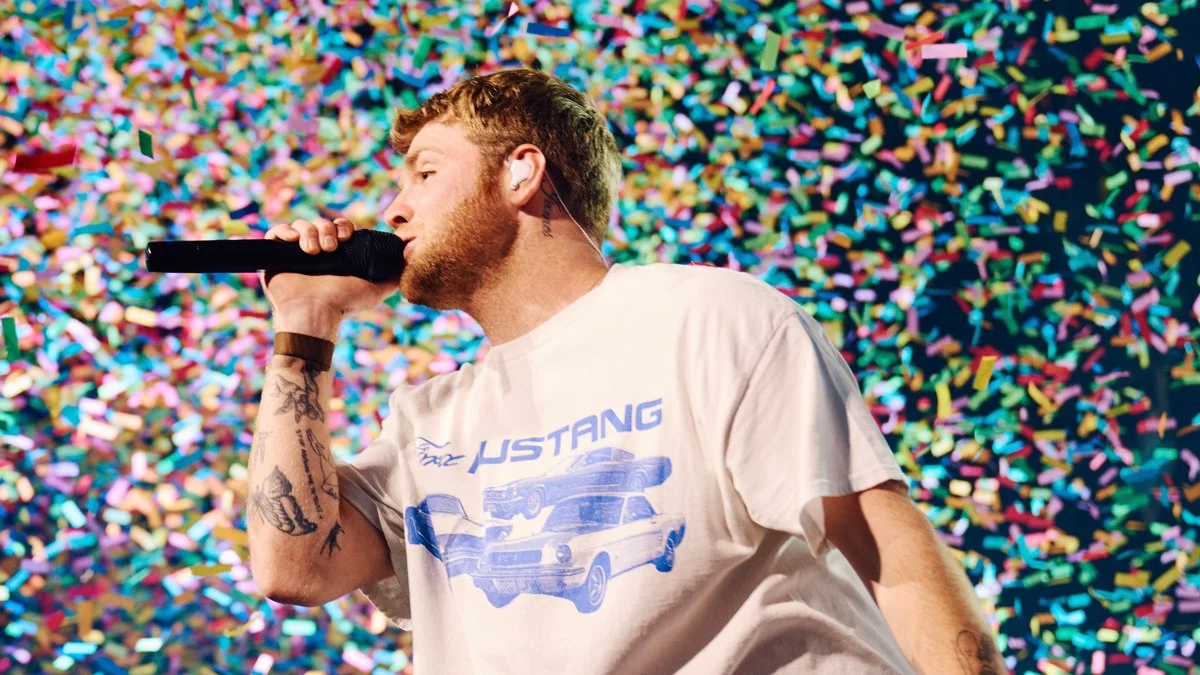
Alex Warren spent Thursday night doing two things at once. He played his first arena show in Australia, and he handed the broadcast rights to the app that made him. The Sydney concert did not air on a network or a music channel. It ran on TikTok LIVE, where Warren counts more than 21 million followers.
Then came the record. On August 31, Warren released WILDCHILD (Live on the Road) through Atlantic Records, an expanded edition of the studio album he had put out only three days earlier. The new version keeps all 13 original tracks and adds four live recordings captured on his Finding Family on the Road Tour: Passenger, Same Stars, Fine Place to Die, and Fever Dream. The Apple Music edition carries an exclusive live performance video of Fever Dream and a photo booklet shot on tour.
The interesting part is not that a live edition exists. It is the clock. A 72-hour window between a studio album and its live companion is fast, and the speed is the strategy. Warren built his audience on a platform first and reached for major-label distribution second, so his rollout treats his own platform relationships as release infrastructure, not marketing garnish.
Two Exclusives, Two Different Jobs
Consider how the two exclusives split the work. Apple Music got the Fever Dream video. TikTok got the arena.
That division tells you what each platform is buying. Apple gets a premium visual to anchor its edition of the record. TikTok gets a live event that reinforces the story it likes to tell about itself, that it helped make Warren in the first place.
The numbers behind that claim are real. Warren’s breakout single Ordinary topped the Billboard Hot 100 for 10 weeks in 2025, and the same track has soundtracked more than 18.6 million creations on TikTok, according to figures the platform published. His current single Fever Dream had already driven more than 388,000 creations at the album launch. For a Grammy Best New Artist nominee, that is a distribution channel a label cannot buy outright.
Warren framed the Sydney stream around that history. “TikTok has played a pivotal role in helping me connect and share my music all around the world. I can’t wait to bring this live performance directly to fans and share my new album WILDCHILD with you all,” he said in a statement published by TikTok ahead of the show.
The App Ran the Whole Campaign, Not Just the Stream
The concert was one piece. Alongside the August 28 broadcast, TikTok launched an in-app experience that turned promotion into a task list. Fans could post a video using Emerald Eyes, comment, save the track to a streaming service, or share the campaign, and completing the tasks unlocked an exclusive video from Warren.
Earlier in the month, Warren had already hosted a one-night talk-show-style TikTok LIVE premiere co-branded with iHeartRadio, where he debuted the RESCUER music video with guests Mila Kunis, Freya Skye, and a surprise from Joe Jonas.
Stack those events and a pattern appears. The premiere, the in-app tasks, the arena stream, and the compressed live edition all route the same album through the same platform relationship over a single month.
What the Live Tracks Keep Selling
The Finding Family on the Road Tour that produced those live tracks is Warren’s first arena run, spanning North America, Europe, Asia, and Oceania between April and September. The live edition lets the tour keep selling the record after the studio version has already dropped.
Warren has nine more Australian shows to play before the tour closes on September 12. The recordings from those rooms already have a place to land.
Entertainment
Rabbit Hole Sends 36 Creators to Disney+ and Hulu
Pocket.watch’s Rabbit Hole puts 36 creators in one premium series, then parks 240 spinoff episodes behind it on Hulu. The structure, not the star count, is the story.
Thirty-six creators walk into one variety series, and behind them Hulu quietly stacks 240 more episodes so nobody who clicks in has a reason to click out. That is the shape of Rabbit Hole, the pocket.watch series that premiered July 13 on Disney+ and Hulu. Topper Guild, the YouTube prankster with the largest following in the cast, leads it.
The 10-episode, half-hour series debuted on Disney+ and Hulu in the US and on Disney+ in select international markets on July 13. Disney and pocket.watch call it the largest ensemble of digital stars ever assembled for a premium series. The cast reaches a combined 675 million followers, more than the roster carried at greenlight, when the same show counted 421.8 million.
That headline number is the easy part. The real story sits in the release strategy around it, and it says a great deal about where creator IP is heading.
Pocket.watch did not just book a marquee show. It built a supply chain. Eight cast members already have individual series streaming on Hulu, with more launching around the premiere, and the full universe spans 240 half-hour episodes. The tentpole draws the crowd. The back catalog keeps them there.
The Ensemble Is the Product
The follower total works because no single channel could stage the collisions the show is built on. A viewer who watches Topper Guild’s pranks has never seen him next to ZHC’s art challenges or Collins Key’s magic. The cast also includes Zhong, Jesser, Josh Peck, Sofie Dossi, Mackenzie Turner, Papa Jake, Matthew Beem, and ExtraEmily.
Individual reach anchors the pitch. Topper Guild brings 127.9 million followers, Zhong 100 million, and ZHC 76.1 million, figures pocket.watch listed creator by creator in its announcement. Those are the three largest in a lineup where most names would headline a show on their own.
Disney frames the deal as a milestone for its platforms, not a favor to the creators. Lauren Tempest, Head of Content Planning and Partnerships, DTC at The Walt Disney Company, said the series gives subscribers “access to 36 of the most followed creators for teens, all in one series.”
Why the Spinoffs Matter More Than the Premiere
The math on retention is the point. One premium series can win a launch weekend. A launch weekend does not hold a subscription.
That is the gap 240 episodes are built to close. Pocket.watch CEO Chris M. Williams described the model as a premium entry point that opens into hundreds of episodes of the same talent, connecting appointment viewing with ongoing discovery. It reads less like a show order and more like a studio franchise assembled from fanbases that already exist.
The comparison is traditional television, run backward. Legacy studios build a hit, then spin off characters audiences met on screen. Pocket.watch starts with creators who arrived with millions of fans, then routes that attention through Disney’s paywall and keeps it circulating across the spinoff slate.
The scale grew as the deal did. When pocket.watch first greenlit the show in October 2025, as Deadline reported, the cast commanded 421.8 million combined followers and Hulu was the sole US home. By launch the roster had expanded to 36 creators and 675 million followers, with Disney+ added for the US and international markets.
Rabbit Hole is the clearest test yet of whether free-platform audiences follow their favorites behind a subscription wall. All 10 episodes are streaming now. The 240 waiting on Hulu will decide whether they stay.