
Deals
TikTok and FIFA Partner For 2026 World Cup

FIFA has named TikTok its first-ever Preferred Platform, setting the stage for what could be the most creator-forward global sporting events in history and establishing a relationship that could change the way major events like the World Cup are covered. The partnership, announced this week, runs through the end of 2026 and positions creators as essential to how the tournament will be consumed and shared worldwide. “FIFA’s goal is to share the exhilaration of the FIFA World Cup 2026 with as many fans as possible, and we can’t think of a better way to further that mission during the biggest event in sports history than to have TikTok as the tournament’s Preferred Platform”, said FIFA Secretary General Mattias Grafström, in a press release from TikTok.
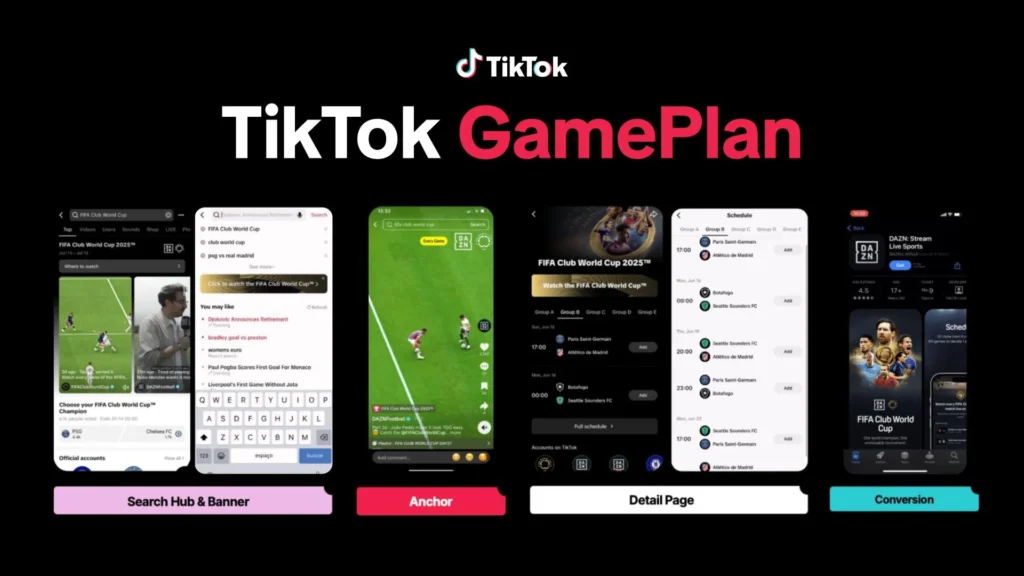
The deal expands on the collaboration between TikTok and FIFA during the 2023 Women’s World Cup and the 2025 Club World Cup, both of which were wildly popular. Under this new agreement, TikTok will host an immersive FIFA World Cup 2026 hub featuring match highlights, ticketing information, custom stickers, filters, and gamification features. The agreement builds off of TikTok’s recently announced GamePlan product. But the most notable aspect of the partnership announcement is the global creator program. According to TikTok, the program will “provide a select group of global TikTok creators with game-changing access to incredible behind-the-scenes moments – such as press conferences and training sessions – and in the process, give fans unique, relatable perspectives on the FIFA World Cup experience”. A broader tier of creators will also gain permission to co-create content using FIFA’s archival footage, a rare opportunity as sports footage is often difficult to license.
“Soccer has experienced explosive global growth on TikTok over the past few years, and as FIFA’s first-ever Preferred Platform we’re excited for fans to experience the FIFA World Cup 2026 beyond the 90 minutes,” said James Stafford, Global Head of Content, TikTok. FIFA Secretary General Mattias Grafström framed the partnership as an evolution in how football is shared. “This is an innovative and creative collaboration that will connect more fans across the globe to the FIFA World Cup in unprecedented ways, bringing them behind the curtain and closer to the action than ever before.”
This deal marks a major shift for content creators and their coverage of sporting events. For years, creators covering professional sports had to clip broadcast footage under fair use, react outside of stadiums and arenas and wait for official footage to be released, potentially risking legal action and takedowns. This deal formalizes a change in process for live event coverage, where creators are granted access and encouraged to cover events and collaborate as part of a media strategy, mirroring how traditional broadcasting networks negotiate rights packages. The only differences are that the “network” is TikTok, and individual creators will benefit more because of the nature of social media.
According to TikTok internal data mentioned in an announcement about GamePlan in late December, fans who watch sports content on TikTok are 42 percent more likely to tune in to live matches. The company has also noted that 59 percent of users find sports content on TikTok more entertaining than the actual games. For FIFA, partnering with TikTok helps expand their audience and also build their revenue. While FIFA fans on TikTok will be able to stream portions of matches live and access special content, broadcasters and brands will be able to monetize content through access to ad revenue. FIFA also benefits from an agreement with TikTok to “implement anti-piracy policies that support and protect FIFA’s intellectual property.”
The 2026 World Cup kicks off in June across North America, with games in the United States, Canada, and Mexico. This is the first time the tournament will be hosted by three countries. With 48 teams competing, the event is already being positioned as the largest in World Cup history. Details on how creators will be selected for the top-tier access program have not been announced, though TikTok’s existing relationships with sports creators and its GamePlan infrastructure suggest the company already has a pipeline in mind. If the largest sporting event on the planet is willing to treat creators as primary content partners, other institutions may follow.


Deals
Recho Omondi’s Cutting Room Floor Signs 3-Year Patreon Deal
Five years of handshake exclusivity just became a three-year contract. Inside the Patreon deal that lets the fashion podcaster keep every piece of the brand she built behind a paywall.

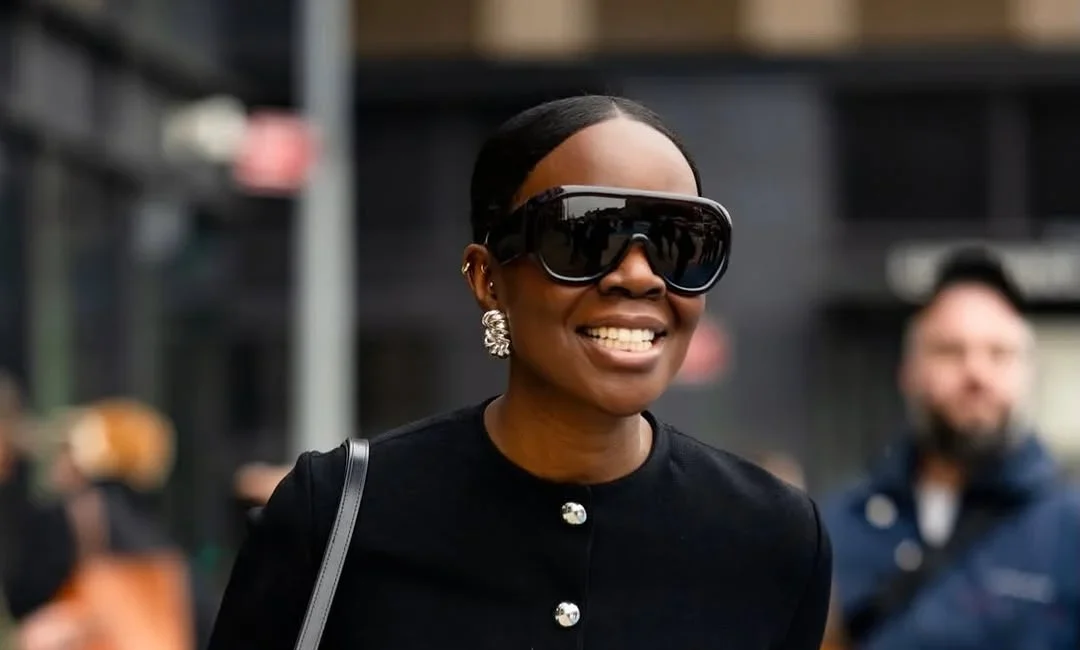
For five years, Recho Omondi kept her fashion podcast The Cutting Room Floor exclusive to Patreon on a handshake. It took a rival platform trying to poach her to turn that arrangement into a contract.
Fast Company reported the deal on June 3. The partnership runs three years. Patreon will fund joint marketing and help build out the show’s production and team infrastructure. Omondi keeps full ownership of the brand. The agreement marks the podcast’s transformation into an independent media company. Financial terms were not disclosed.
The same report placed The Cutting Room Floor in the top 1 percent of Patreon’s podcasts by earnings. Paid memberships more than doubled year over year. For independent fashion media, that is the part worth studying. A platform is paying to grow a creator’s business it does not own. The legacy model ran the other way: a publisher bought the title, and the voice answered to new owners.
The masthead stays hers.
A Rival Made the First Move
Omondi launched the show across streaming platforms in 2018. Two years later, she shut down her fashion label, Omondi, to make the podcast her full-time work. In 2021, during its third season, she moved the show exclusively to Patreon. It went fully paywalled and ad-free, with no formal platform agreement.
The exclusivity ran on trust. Then a competing platform came calling this spring. “The impetus was because there was a competitor to Patreon that was poaching me very aggressively to leave the platform. It inspired me to bring that deal to Patreon and they agreed,” Omondi told The Publish Press.
Paywalled on Purpose
Episodes will stay where they have always been: behind the paywall, with no ads. Omondi has been explicit that this is strategy, not stubbornness. “I think a lot of people use Patreon as an early release, which I think is so futile,” she said in April 2025. “That doesn’t seem like a competitive play to me. So I use Patreon as a completely different offering.”
The free side does the recruiting.
Omondi has said clips and social video are her top subscriber acquisition tool. A video team of four produces them.
On TikTok, her videos have topped 1 million views, and she has tallied nearly 200,000 followers. The episodes themselves move slowly, on purpose. She wants to give listeners, in her words, “things that they can take a week and a half to chew on before the next one comes out.”
What Each Side Bought
Patreon locked in one of its flagship fashion shows for three years. It also bought a proof point: a paywall-first podcast can become a media company without leaving the platform. “We share a vision of investing in the next generation of creative voices, and this partnership is about building that future together,” said Betsy McCormick, Patreon’s VP of creator success, in a statement.
Omondi bought infrastructure on her own terms. The partnership funds team growth, new content formats, and community events. The brand stays entirely her own. Her official statement kept the focus on the editorial product itself: “Our ethos has always been to make fashion and culture content that is intelligent, educational and entertaining.”
She marked the deal with a commemorative episode on announcement day. The guest was Patreon co-founder Jack Conte.
The new formats, community events, and expanded programming are set to roll out by autumn. The name above all of them stays Omondi’s.


Deals
Marlon Garcia Signs With Nike, Second Streamer After Kai Cenat
He was streaming through homelessness in New York not long ago. This week he signed with Nike.
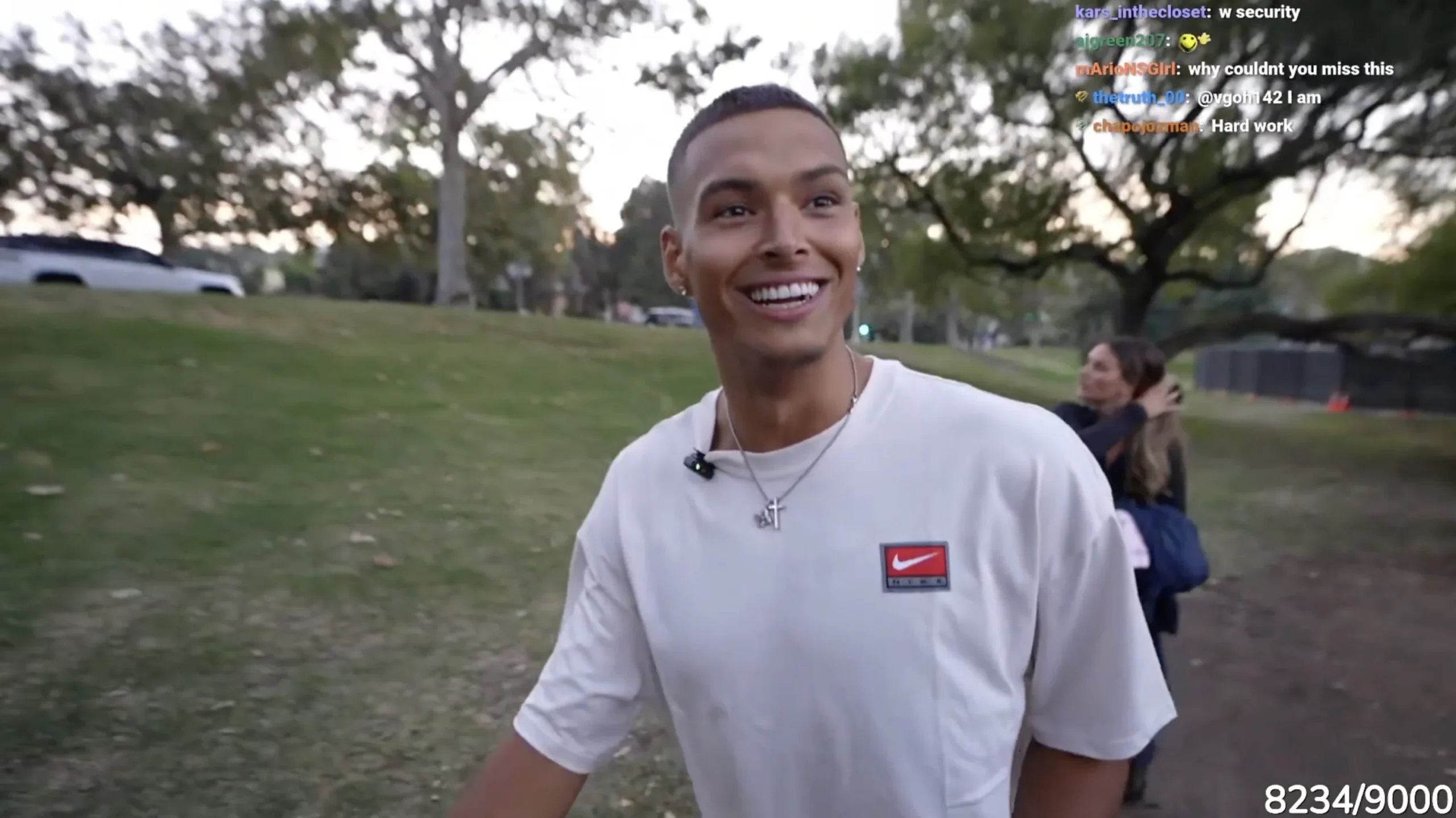
Marlon Garcia, the Swedish Twitch streamer and former college basketball player, has officially signed with Nike, announcing the deal on his Instagram account @marlon3lg. It makes him the second major streamer to join the brand, after Kai Cenat.
The distance Garcia covered to get here is the whole story. He has been open about experiencing homelessness in New York City while he kept streaming, grinding through broadcasts with no guarantee any of it would work. The kid who once had nowhere to sleep now has a Nike contract.
His path to the brand runs through two sports and a career change. Like most kids, Garcia started on a football pitch, and he has said that signing with Nike and becoming “the biggest baller in the world” was one of his earliest dreams. He went on to play college basketball, suiting up at guard for Lower Columbia College in Washington, before walking away from competitive sport to pursue content full time. He thought the Nike dream had died with the jersey. It did not.
Both @NikeFootball and @NikeLA welcomed him from their verified accounts within the comments. @NikeLA wrote “Welcome fam, time to lock in,” while @NikeFootball added “Welcome to the family, let’s cook.” For a creator rather than a drafted athlete, that kind of direct embrace from the brand’s official channels is the signal that the relationship is real, not a one-off product seeding.
The support extended well beyond Nike. Creators including FaZe Rug, OussiFooty, and Lacy turned out in the comments and on their own feeds. Lacy, who released the second drop of his collectibles brand TapCap earlier the same day, posted his congratulations publicly.
Garcia’s signing is the operational story for working creators. He built modeling and streaming as parallel tracks, signing with IMG and walking for fashion houses while growing his Twitch audience. Marlon converted that combined profile into a sportswear deal of a kind the industry long reserved for professional athletes. The brand is not buying a basketball career. It is buying an audience, and the reach that comes with it.
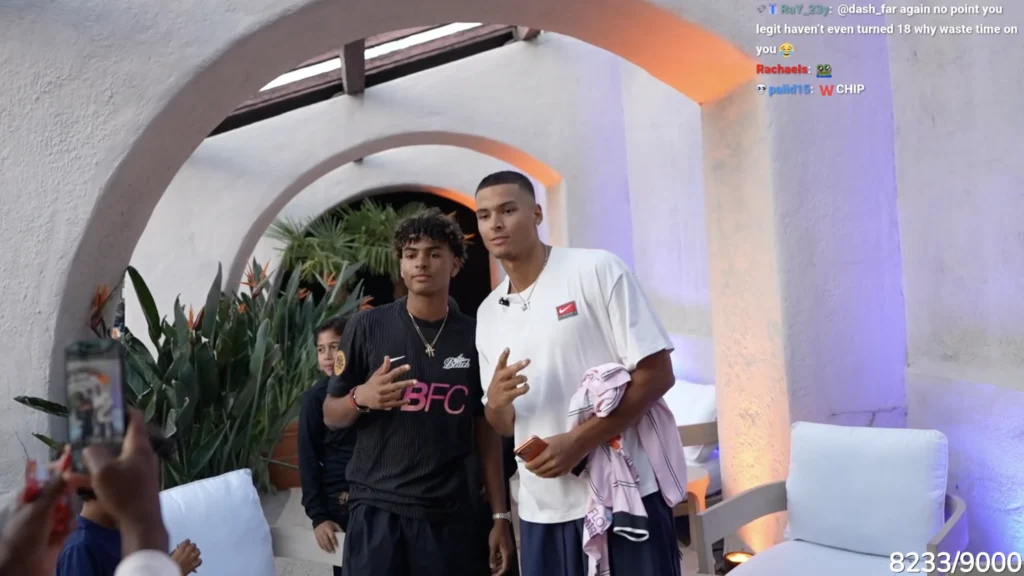
Complex reported that Kai Cenat announced his own Nike partnership in February 2024, becoming the first major streamer to sign with the brand. Garcia now stands second in that line, and the gap between the two signings, barely two years, is the real headline: the lane is widening fast.
Nike nor Garcia have disclosed a date for specific deliverables or campaign launches as of this writing but it is safe to assume there will be activity around the World Cup.
Deals
Snap Promotes Malhotra After Meta Poaches Snappys Producer
Meta recruited the producer of the Snappys. Snap promoted a 10-year veteran the same week. The creator economy wins the bidding war either way.
On March 31, at the first-ever Snappys at Snap’s Santa Monica headquarters, David Dobrik took a moment on stage to salute the man who put the night together, “Thank you to Jim Shepherd, the #1 Snap boss.”
Two months later, Meta came calling for the #1 Snap boss.
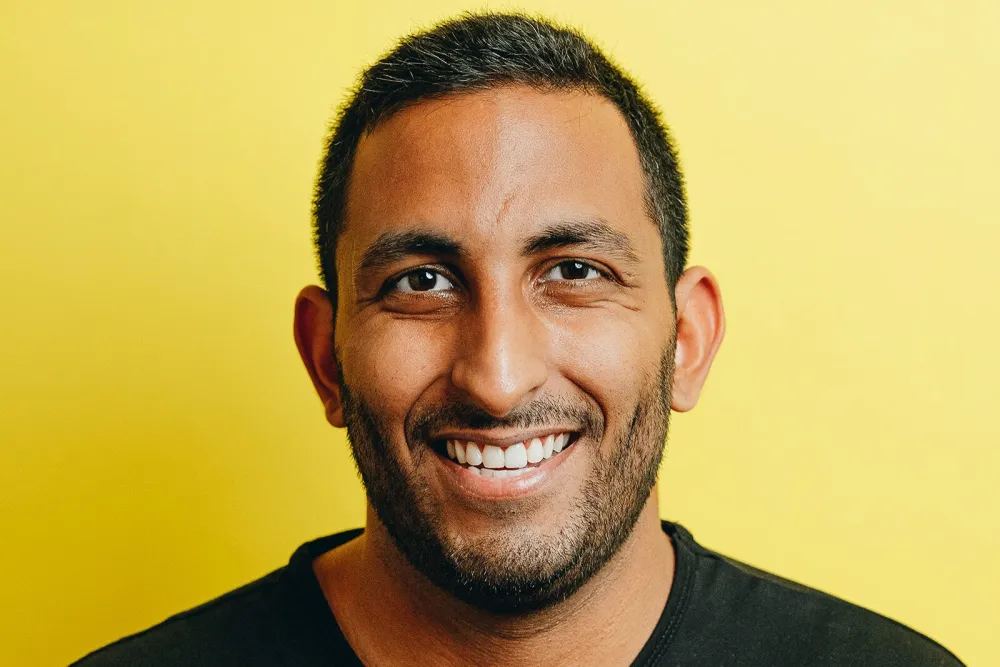
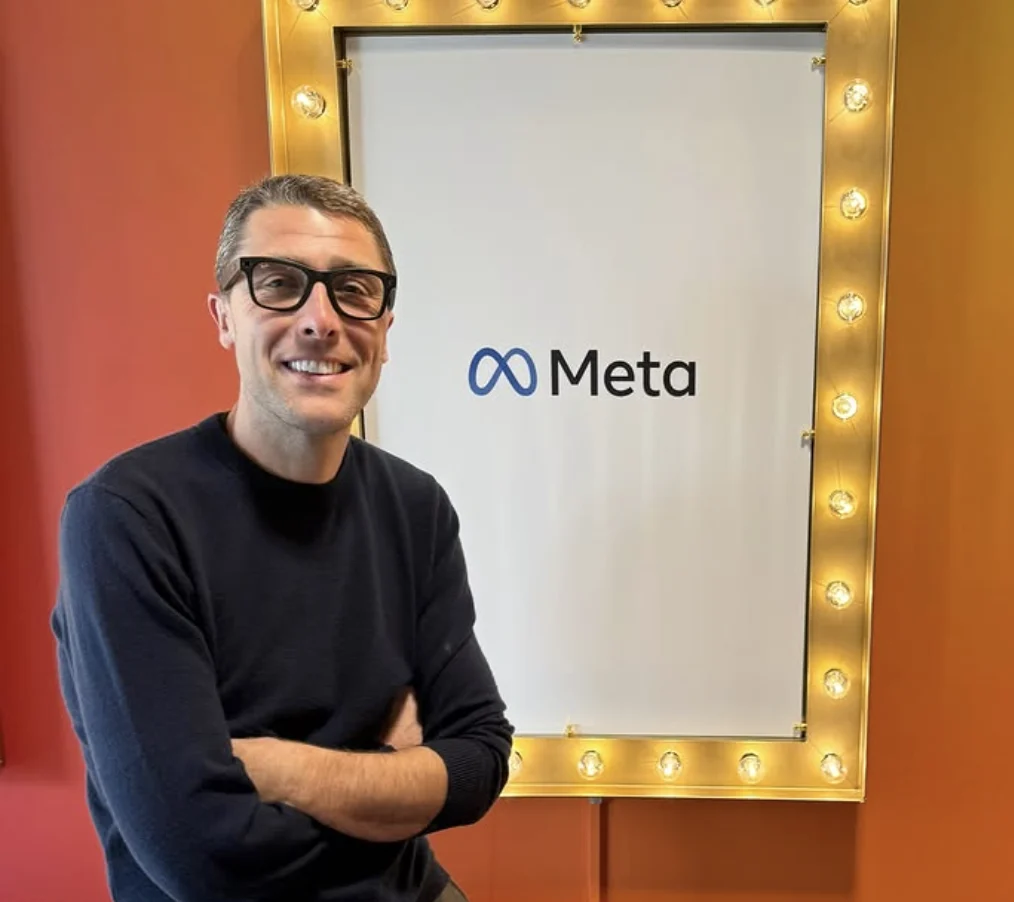
Snap had the answer ready. The company announced on June 3 that it promoted Anmol Malhotra to global head of content and partnerships, Variety reported. The 10-year company veteran now owns Snapchat’s creator ecosystem, editorial strategy, and global partnerships across sports, media, entertainment, and music. He succeeds Shepherd, Snap’s former senior director of global content partnerships, who departed for Meta as director of content and creator partnerships with a specific focus on the company’s wearables business, per The Hollywood Reporter.
The Exec Is the Asset Now
The back-to-back moves put a sharp point on where platform competition has shifted: the executives who build creator ecosystems are now recruited like the creators themselves. Shepherd was not a back-office hire. He was the public architect of Snap’s creator relationships, the man who announced the Snappys and produced them, by his own description on LinkedIn adding “award show producer” to his resume. The night ended with the platform’s newly crowned Creator of the Year thanking Jim from the stage.
For Meta, that is a quality hire by any measure. Shepherd arrives to bring celebrities and creators into the Ray-Ban and Oakley glasses push, a product line whose sales more than tripled in 2025, and he brings exactly the relationship-building track record that work requires. Nor is the pattern isolated: OpenAI recruited Instagram’s longtime partnerships chief Charles Porch earlier this year. Across the industry, the people who know creators have become as sought-after as the creators they know.
And if there is a compliment buried in the recruitment, it is aimed at Snap. Companies do not poach from weak rosters. Snap built an executive worth hiring away, and had his successor named the same week from a legacy ten years deep.
Snap Has Been Here Before
There is a familiar shape to a Snap-built playbook scaling inside Meta. Snapchat invented Stories in 2013; Instagram launched its own version in 2016, and Instagram co-founder Kevin Systrom was direct about the lineage at the time, telling TechCrunch that Snapchat “deserves all the credit.” The format went on to power Meta’s apps and much of the modern social internet. Camera glasses follow the same arc: Snap shipped Spectacles in 2016, five years before Meta’s first Ray-Ban collaboration, and is preparing its next generation of AR glasses now.
Seen through that history, the Shepherd hire is less a raid than a rerun of the industry’s oldest dynamic with Snap in its usual position: ahead of the curve. Snap pioneers the category, the largest player in social scales it, and the talent that learned the craft at Snap becomes the most valuable in the market. Both things can be true at once. Meta is getting a proven operator for its biggest consumer hardware bet. Snap keeps the laboratory where operators like that are made.
The Commercial Stake
Snap’s side of the ledger is growing. The company announced in February that Snapchat+ had surpassed 25 million subscribers, pushing its direct revenue business to a $1 billion annualized run rate, per a Snap newsroom announcement. Installing a dedicated global partnerships chief at this moment is a structural signal. Snap is treating creator and media deal-making as a revenue function, not a marketing one.
The financials support the posture. Snap reported Q1 2026 revenue of $1.53 billion, up 12 percent year over year, with its net loss narrowing to $89 million from $139.6 million in the same period a year earlier. Subscription growth now sits alongside ad revenue as a stated priority metric. Every one of those lines runs through the creator ecosystem Malhotra just took over, which is exactly why the role was elevated rather than backfilled.
What Malhotra Brings
Malhotra joined Snap in 2015 and most recently led sports and media partnerships, building relationships with broadcasters and rights holders including NBC, ESPN, the NFL, the NBA, the UFC, FIFA, and the IOC. In the expanded role, he also oversees Snap’s international growth initiatives across North America, Europe, the Middle East and North Africa, Asia-Pacific, and Latin America. The promotion consolidates creators, editorial, sports, music, and global expansion under one desk for the first time, and hands that desk to the executive who already holds the rights-holder relationships a sports-and-media-heavy creator strategy runs on.
It also hands him a calendar. The Snappys debuted as a flagship annual property, and year two is now Malhotra’s to deliver. Shepherd builds the creator roster for Meta’s glasses. Malhotra scales the one he inherited at Snap. For creators, this is the rare executive shuffle with no losing side. Two well-resourced platforms just signaled, in the same week, that the people who build creator relationships are worth competing over. The bidding war is the compliment, and creators are the ones who get paid in it.